- Recovery
- 4 min
How Long Does a Broken Bone Take to Heal?
The bone may knit in weeks, but strength and movement take longer. Here are the stages of fracture healing, what affects the timeline and how food fits in.
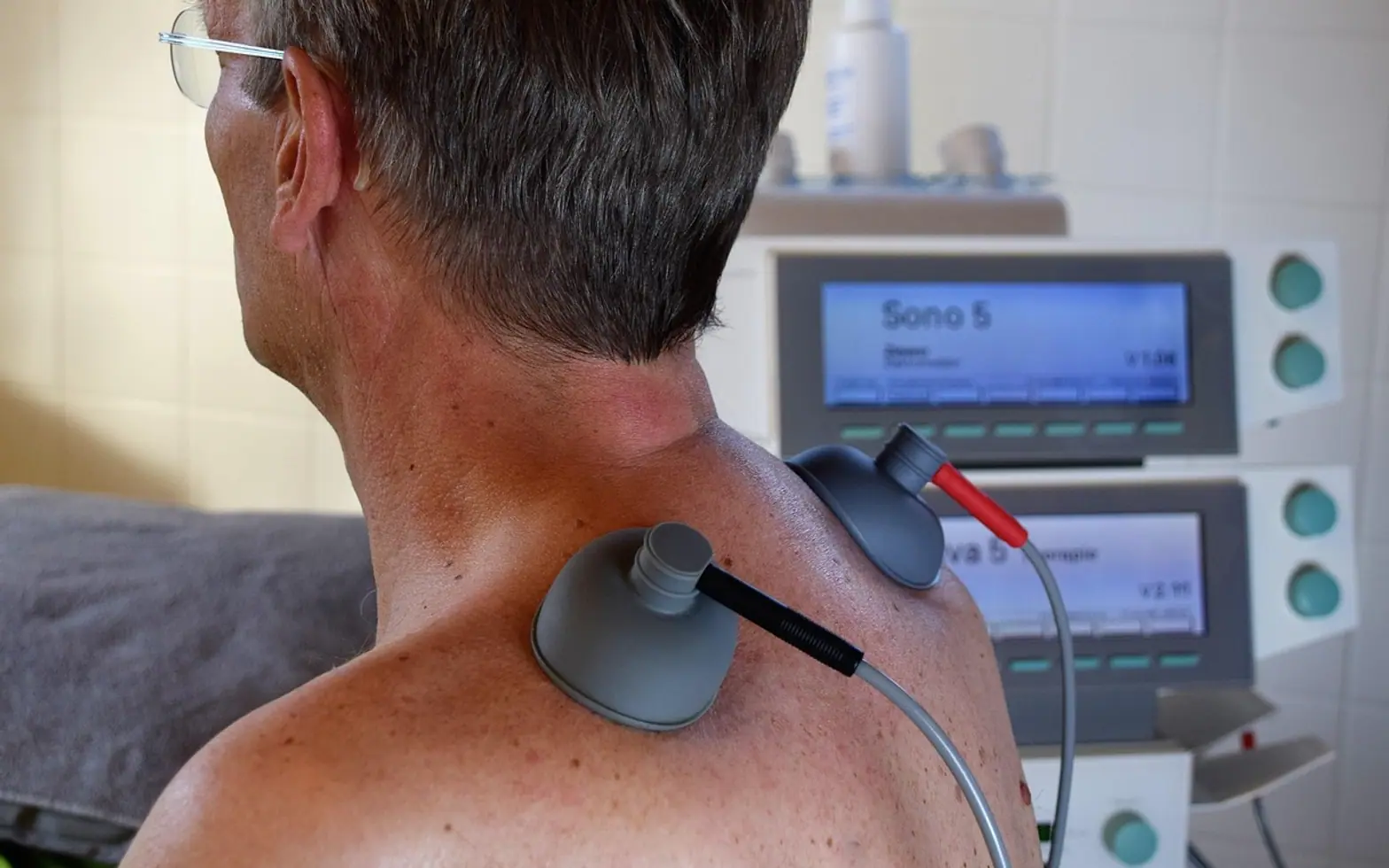
Most whiplash injuries are treated with straightforward self-care: staying gently active, using pain relief that suits you, applying heat or cold, and building neck movement back up over the following weeks. Many people improve steadily on their own. Anyone with severe pain, numbness, weakness or other warning signs after a collision should be checked straight away rather than managing at home.
Whiplash is a neck injury caused by the head being thrown suddenly forwards and backwards, or from side to side. Rear-end car collisions are the classic cause, but sport, falls and fairground rides can do it too. The quick movement strains the muscles, tendons and ligaments of the neck. Pain and stiffness often build over the hours or day after the event rather than appearing at the scene, which is why feeling fine at the roadside does not rule it out. The wider picture of delayed aches is covered in aches and pains after a car accident.
Call 999 or go to A&E if, after an accident, there is severe neck pain together with numbness, tingling or weakness in the arms or legs, loss of bladder or bowel control, difficulty walking, a severe headache, blurred or double vision, slurred speech, confusion or unusual drowsiness. If you are unsure which service fits your situation, urgent or emergency? sets out the options.
It is tempting to hold the neck completely still, but the usual advice for whiplash is the opposite: carry on with normal activities as far as pain allows and move the neck gently through a comfortable range. Soft collars are generally no longer recommended for routine whiplash, because keeping the neck immobile can slow recovery. Follow any different instructions a clinician gives you.
Over-the-counter painkillers help some people stay active. A pharmacist can advise what is suitable alongside your other medicines and health conditions. A wrapped ice pack or cool cloth may soothe the area early on, and a wrapped heat pack or warm shower may relax tight muscles later. Use whichever feels better, for short spells, and never put ice or heat directly on bare skin.
A firm, fairly low pillow that keeps the neck roughly in line with the spine is usually more comfortable than a stack of soft ones. Avoid sleeping on your front with the head twisted to one side.
Long spells looking down at a phone or laptop load the neck. Raise screens towards eye level and take short breaks to move.
If there are no warning signs and a clinician has not advised otherwise, gentle range-of-motion movements can usually begin within a day or two. Move slowly, within comfort, a few times each:
Some stiffness is expected. Stop any movement that causes sharp pain, dizziness, or tingling running into the arms.
If the neck is not improving after a few weeks, or pain is limiting daily life, ask your GP about physiotherapy. A physio can assess how the neck moves, set targeted exercises and use hands-on techniques. Some people find a TENS machine useful for dulling pain while they stay active; how TENS units work explains pad placement and who should avoid them. Strengthening, often with light resistance bands, usually comes later once movement has returned.
There is no fixed timetable. Many people notice a clear improvement within a few weeks, while for others symptoms take months to settle. Stress, poor sleep and worry about the accident can make pain feel worse, so looking after those matters as much as the neck itself. If you are uneasy about being in a car again, the ideas in getting back behind the wheel may help.
Only once you can turn your head freely enough to check mirrors and blind spots, and you are not taking medicine that makes you drowsy. If in doubt, ask your GP.
Many people can, with adjustments such as more frequent breaks and a better screen position. Heavy manual work may need to be reduced for a while.
Not usually. Scans are used when a doctor suspects a fracture or nerve problem, based on how the injury happened and what the examination shows.
Before your next appointment
Tick these off and you will get more out of a short consultation.
The bone may knit in weeks, but strength and movement take longer. Here are the stages of fracture healing, what affects the timeline and how food fits in.
A walking stick only helps if it is the right height and in the right hand. Here is how to set one up and the simple rhythm that makes walking steadier.
Crutches feel awkward for the first day or two. Here is how to set them up, the walking patterns for different weight limits and a safe way to tackle stairs.