- Recovery
- 4 min
How Long Does a Broken Bone Take to Heal?
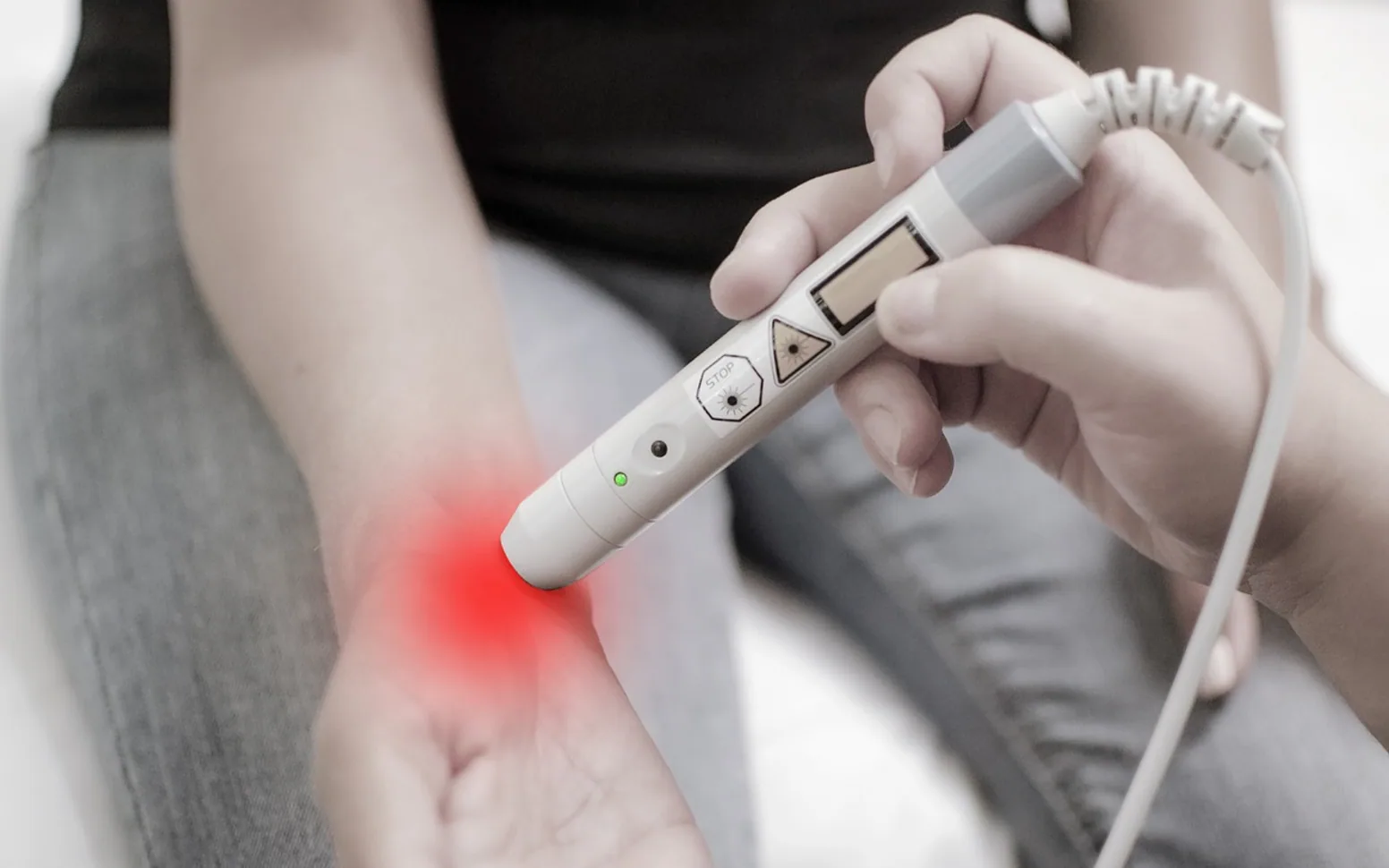
The bone may knit in weeks, but strength and movement take longer. Here are the stages of fracture healing, what affects the timeline and how food fits in.

For many people, the hardest part of recovering from a road accident is not the bruises or the paperwork. It is getting back into a car. Even a minor collision can leave you jumpy at junctions, tense in traffic or reluctant to drive at all. These reactions are very common, and with time and the right approach most people regain their confidence. This guide offers some general steps; it is not a substitute for advice from your doctor or a qualified driving instructor.
Before thinking about confidence, make sure you are physically ready. Injuries to the neck, back, arms or legs can affect your ability to turn, brake quickly or grip the wheel. Some pain medicines cause drowsiness. Ask your GP or consultant whether it is safe for you to drive, and for how long you should wait after any surgery.
In the UK, you may need to tell the DVLA about certain medical conditions that could affect your driving. Your doctor can advise on whether this applies to you. It is also worth checking with your insurer, as driving against medical advice could affect your cover.
After a crash, the brain is on high alert for danger. That can show up as a racing heart near the spot where it happened, flinching when a car pulls out, or avoiding the motorway entirely. These reactions are your body's way of trying to protect you. They usually ease as you have new, safe experiences of driving, which is why a gradual return often works well.
Rather than diving straight back into a busy commute, build up in steps:
Stay at each step until it feels manageable before moving on. Some days you will feel ready for more; on others it is fine to repeat an easier step.
A calm, patient passenger can make a big difference in the early days, especially someone who will not comment on every manoeuvre. Some people find a few refresher lessons with an instructor useful, particularly if the accident has shaken their trust in their own judgement.
Slow breathing before you set off and at red lights can reduce tension. Check your seat and mirrors carefully so you feel in control. Plan routes in advance to avoid last-minute stress, and give yourself plenty of time so you are not rushing.
If fear stays strong after several weeks, or you have flashbacks, nightmares or feel constantly on edge, talk to your GP. These can be signs of post-traumatic stress, which is treatable, and talking therapies can be very effective. Asking for help is a practical step, not an admission of failure.
There is no deadline for getting back behind the wheel. Some people are driving again within days; others take months. What matters is that you return safely and at a pace that feels right for you.
Before your next appointment
Tick these off and you will get more out of a short consultation.
The bone may knit in weeks, but strength and movement take longer. Here are the stages of fracture healing, what affects the timeline and how food fits in.
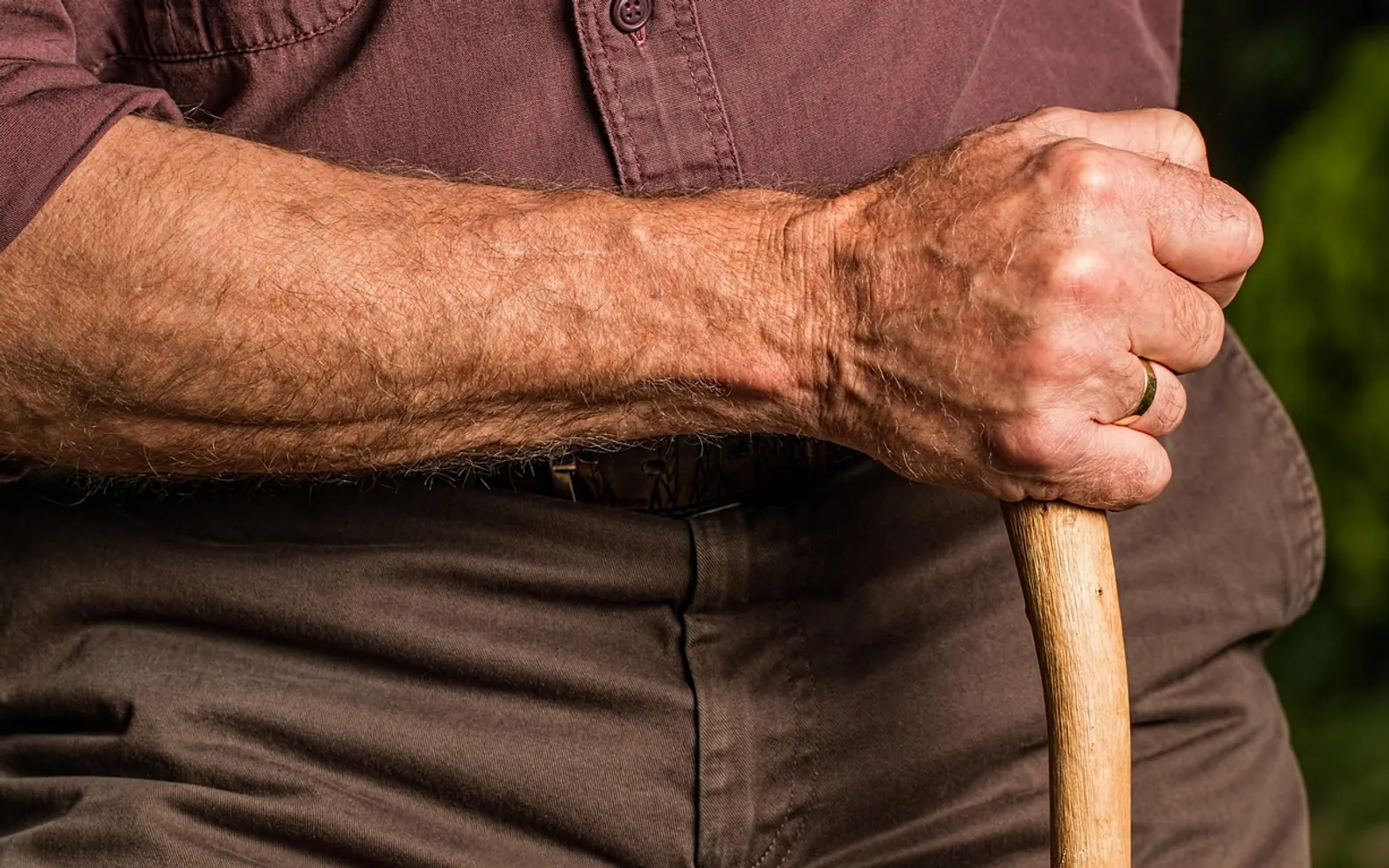
A walking stick only helps if it is the right height and in the right hand. Here is how to set one up and the simple rhythm that makes walking steadier.
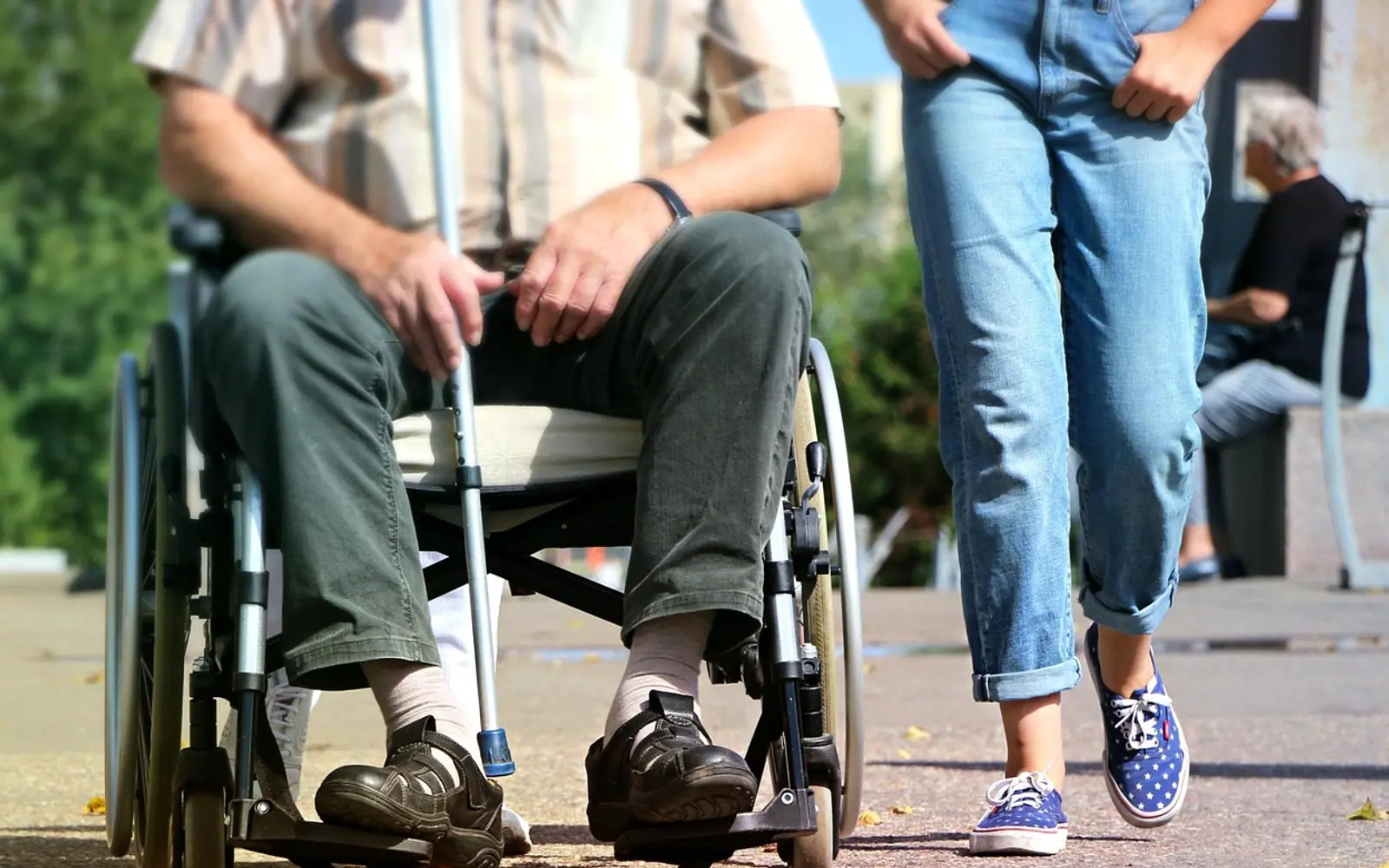
Crutches feel awkward for the first day or two. Here is how to set them up, the walking patterns for different weight limits and a safe way to tackle stairs.