- Recovery
- 4 min
Smoking After Surgery: How It Slows Healing and When to Stop
Smoking narrows blood vessels and starves healing tissue of oxygen. Why surgical teams ask you to stop, when to start, and how to cope with cravings while you recover.
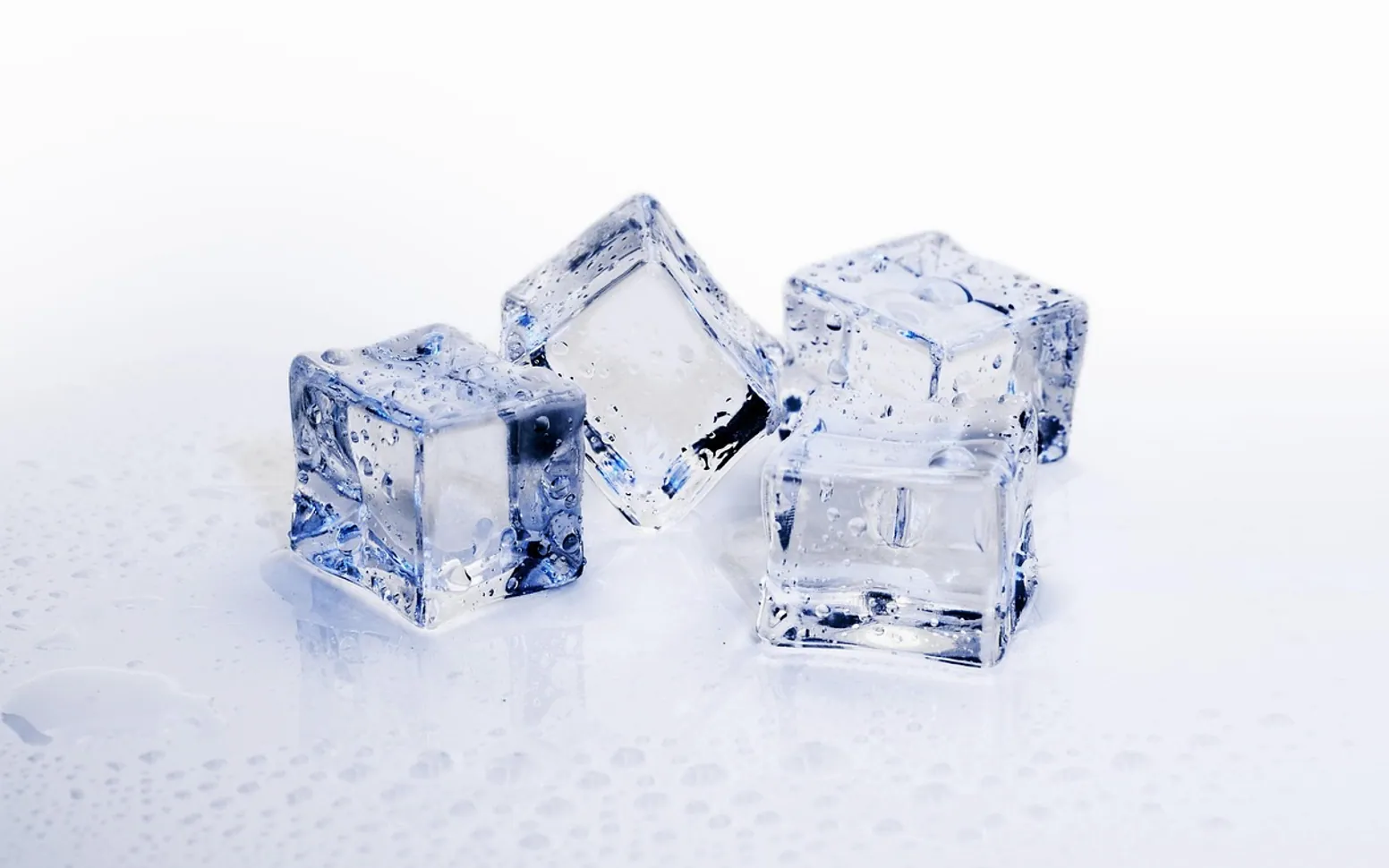
A rule of thumb covers most situations. Use ice for a new injury that is swollen, hot or bruised, usually in the first two or three days. Use heat for stiffness, tight muscles and aches that have been around for a while, once any swelling has gone down. Ice calms things down; heat loosens things up.
The rest of this guide explains why, how to apply each without harming your skin, what to do when you cannot tell which you need, and when a sore spot should be seen rather than treated at home.
After a knock, sprain or strain, the body sends extra blood and fluid to the area. That is part of healing, but it also brings swelling, heat and throbbing. Cold narrows the small blood vessels near the skin and slows nerve signals, which can limit swelling and dull pain for a while.
Heat does the reverse. It widens blood vessels, increases blood flow and helps muscles and connective tissue relax. That is welcome when a muscle is tight or a joint is stiff, but unhelpful when an area is already inflamed, because more blood can mean more swelling.
| Situation | Usually better | Why |
|---|---|---|
| Sprained ankle or wrist in the last day or two | Ice | Helps keep swelling and throbbing down |
| Fresh bruise from a knock or fall | Ice | Can limit bleeding under the skin and soreness |
| Stiff neck or back with no recent injury | Heat | Relaxes tight muscles and eases stiffness |
| Muscle soreness a day or two after exercise | Heat, or whichever feels better | Warmth often eases the ache; there is no swelling to manage |
| Long-standing joint stiffness in the morning | Heat | Warmth can make the first movements of the day easier |
| Flare-up of an old injury with new swelling | Ice | Fresh swelling is treated like a new injury |
Both cold and heat rely on you feeling when the skin has had enough. Be cautious, and ask a GP, pharmacist or physiotherapist first, if you:
Don't use heat on a part of the body that is already hot, red and swollen, or where an infection is possible.
Neck and back pain after a collision often appears a day or more later, when stiffness sets in. In the first days a cold pack can ease soreness; after that, many people find warmth and gentle movement more helpful. The guide on treating whiplash injuries covers the self-care that sits alongside this, and aches and pains after a car accident lists the symptoms that should be checked before you treat anything at home.
Some people switch between them for stubborn muscle aches once swelling has gone, and find it comfortable. In the early, swollen phase of an injury, sticking with cold is the safer choice.
If the area is swollen, warm to the touch or the injury happened in the last couple of days, start with ice. If it is stiff, tight and has been that way for a while without swelling, try heat. If one makes it feel worse, stop and try the other, or neither.
Yes. Rest, gentle movement, supportive positions for sleep and devices such as a TENS unit all help some people. None of them replaces having an injury looked at when it needs it.
Heat and ice ease symptoms; they do not diagnose anything. Get medical advice if you cannot put weight on a leg or use an arm, if a joint looks out of shape, if there is numbness or tingling that does not settle, if swelling or pain keeps getting worse after a few days, or if pain follows a high-speed accident or a heavy fall. For severe pain, a suspected broken bone or any injury to the head, seek urgent help.
Before your next appointment
Tick these off and you will get more out of a short consultation.
Smoking narrows blood vessels and starves healing tissue of oxygen. Why surgical teams ask you to stop, when to start, and how to cope with cravings while you recover.
The bone may knit in weeks, but strength and movement take longer. Here are the stages of fracture healing, what affects the timeline and how food fits in.
A walking stick only helps if it is the right height and in the right hand. Here is how to set one up and the simple rhythm that makes walking steadier.