A TENS unit is a small battery-powered device that sends gentle electrical pulses through sticky pads placed on the skin. The tingling sensation can dull pain signals for some people, which makes it a popular drug-free option for back, neck and joint aches after an injury. It does not heal tissue, and it suits some types of pain far better than others, so it works best as one part of a wider recovery plan.
What TENS stands for and how it is thought to work
TENS is short for transcutaneous electrical nerve stimulation. "Transcutaneous" simply means "across the skin": nothing is implanted, and the only thing passing between the pads is a mild current.
Two explanations are usually given for why it can help. The first is the gate idea: the buzzing sensation travels along nerves at the same time as pain messages, and the spinal cord gives priority to the new, harmless signal. The second is that certain pulse patterns may prompt the body to release its own pain-relieving chemicals, endorphins. Responses vary a great deal between people. Some notice clear relief, others feel very little, and the effect usually fades soon after the device is switched off.
Where the pads usually go
The general rule is to place the pads around the painful area rather than directly on the sorest spot, with a gap of a few centimetres between them so they never touch. The leaflet that comes with your device, or a physiotherapist, can show positions for your particular problem. Common starting points look like this:
| Area | Typical pad position | Things to watch |
|---|
| Lower back | Two or four pads either side of the spine, framing the ache | Keep pads off the spine itself |
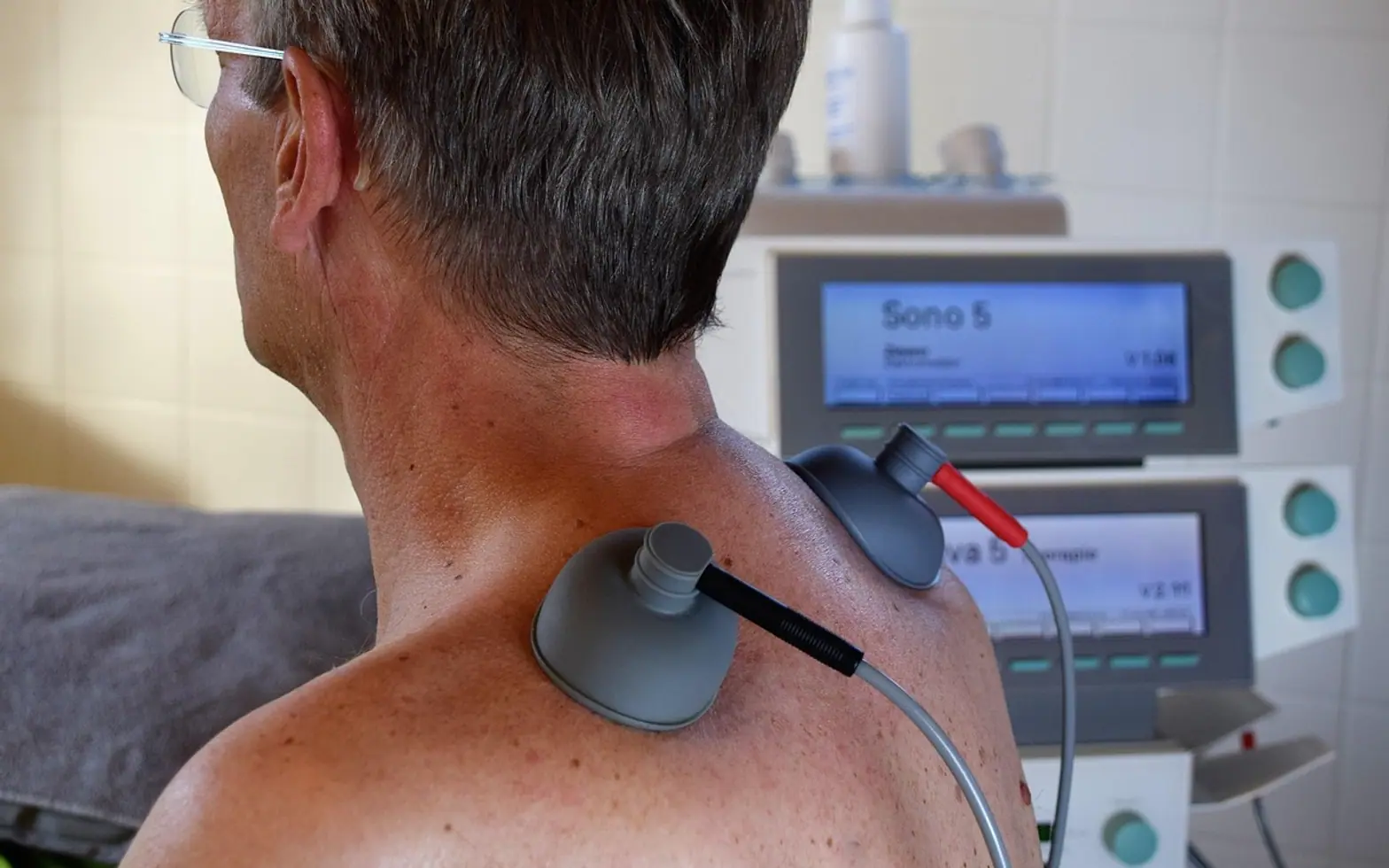
| Neck and shoulders | On the upper back and the tops of the shoulders, behind the neck | Never on the front or sides of the neck |
| Knee | Above and below the joint, or either side of the kneecap | Avoid surgical wounds and broken skin |
| Shoulder | Front and back of the joint, around the sore point | Stay away from the chest |
Places pads should never go
- the front or sides of the neck
- across the chest, or one pad on the front of the body and one on the back so the current crosses the heart area
- the head, face or eyes
- broken, irritated or numb skin, or over a recent wound
- over an area that is swollen, infected or inflamed
Settings to start with
Most units let you change the intensity, the pulse rate and the pattern. If you are new to TENS:
- Clean and dry the skin, then press the pads on firmly before turning the device on.
- Start on the lowest intensity and raise it slowly until you feel a strong but comfortable tingle. It should never hurt or make muscles jerk hard.
- Try a session of around half an hour and notice how you feel afterwards.
- If the sensation fades as your nerves get used to it, nudge the intensity up a little rather than jumping several levels.
- Switch off before removing or moving the pads.
Pulse rate and pattern options differ between models, so the manufacturer's instructions are the best guide. A physiotherapist can suggest which programme suits your kind of pain.
Who should check before using one
TENS is generally considered low risk, but it is not for everyone. Speak to your GP, physiotherapist or the team treating you first if any of these apply:
- you have a pacemaker, defibrillator or other electrical or metal implant
- you are pregnant, unless a midwife has suggested TENS for labour
- you have epilepsy or a heart condition
- you have reduced feeling in the area, or the pain has no clear cause yet
Do not use TENS while driving, operating machinery, in the bath or shower, or as you drift off to sleep.
What TENS can and cannot do
Think of TENS as a way to take the edge off pain so that other things become easier: a walk, a set of exercises, or a decent night's sleep. It does not repair a strained muscle or a damaged joint, and using it to push through activity your body is not ready for can set you back. A steady approach is set out in pacing your return to everyday activity after an injury.
It is also not a substitute for a medical check. If pain after a fall or collision is severe, spreading or getting worse, or comes with numbness, weakness or other worrying symptoms, get it assessed before reaching for gadgets. The guide to aches and pains after a car accident lists the signs that need prompt attention.
Common mistakes
- Turning it up too high. More intensity does not mean more healing. Uncomfortable stimulation can irritate skin and muscles.
- Reusing worn-out pads. Pads that no longer stick well deliver the current unevenly and can leave red marks. Replace them once they lose their grip.
- Skipping skin checks. Look at the skin after each session. Redness that does not settle, or any rash, is a reason to stop and ask for advice.
- Using it instead of movement. Many injuries improve with guided activity, and TENS works best alongside it, for example before the gentle band exercises a physiotherapist might set.
Questions people often ask
Can a TENS unit be used every day?
Many people use one daily, sometimes in several short sessions. The instructions with the device give limits, and it is sensible to take breaks so the skin under the pads can rest.
Does TENS help with every kind of pain?
No. It tends to be tried for muscle and joint aches, back and neck pain and some nerve-related pain, with mixed results. If it has done nothing after a fair trial, it may simply not suit your pain.
Is it worth asking about at an appointment?
Yes, if you are curious. A clinician who knows your injury can say whether it is worth trying and where the pads should sit. Writing the question down beforehand helps it get asked; see questions worth writing down.