- Recovery
- 4 min
How Long Does a Broken Bone Take to Heal?
The bone may knit in weeks, but strength and movement take longer. Here are the stages of fracture healing, what affects the timeline and how food fits in.
Recovery, one steady step at a time
After an accident, an operation or a hard diagnosis: plain guides on pacing, movement, food, feelings and finding the right care, for the people recovering and the ones standing beside them.
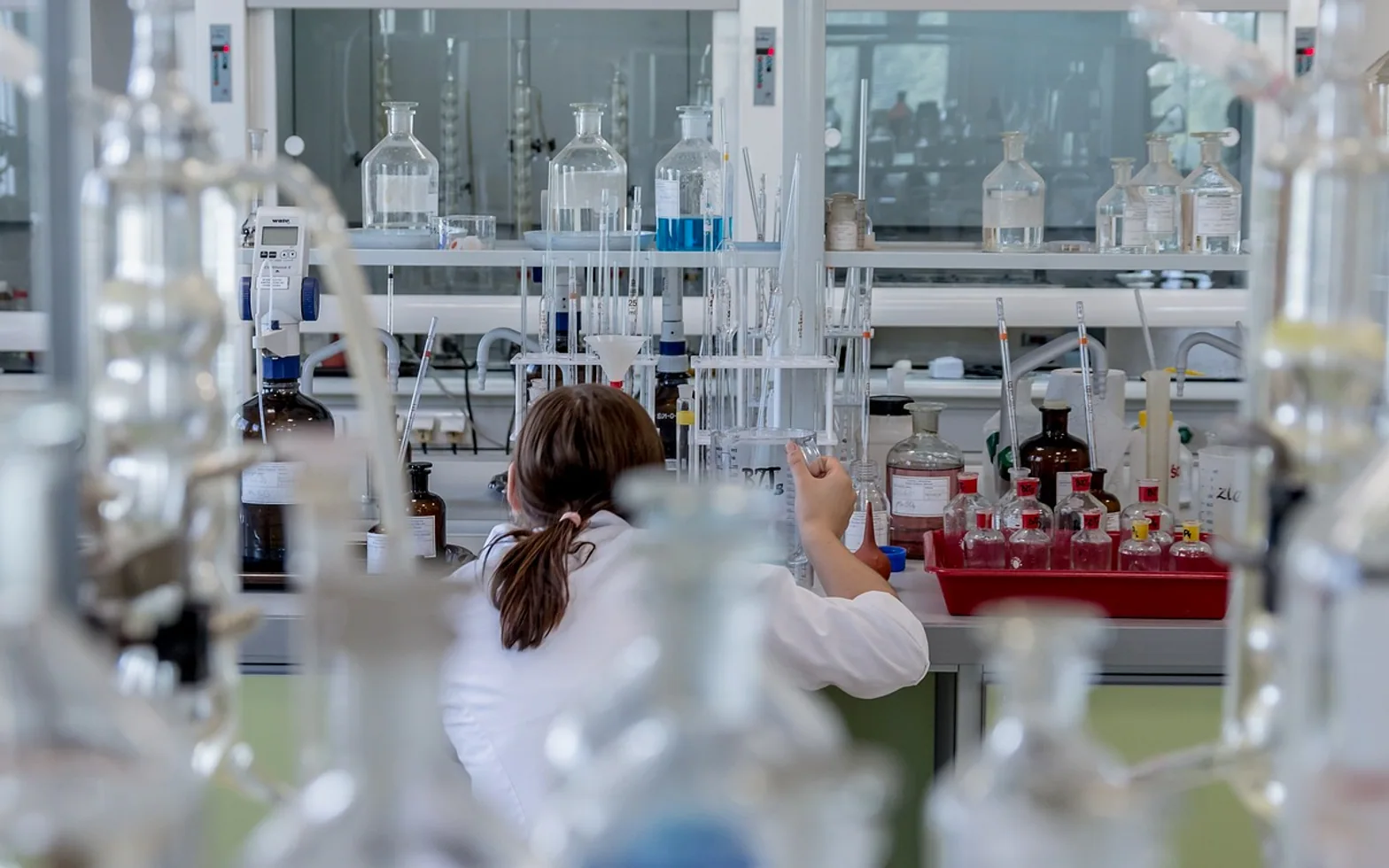
Behind many of the body's routine jobs, from digesting a meal to sealing a cut, sits a family of enzymes called serine proteases. They cut other proteins at precise points, switching processes on or off. Because their effects are so far-reaching, scientists studying health and disease need reliable ways to find out where these enzymes are, how much of them is present and what they are doing. Antibodies designed to recognise specific serine proteases are among the most important tools for that work.
Serine proteases take their name from a serine amino acid in their active site, which does the cutting. Familiar members include trypsin and chymotrypsin in digestion, thrombin in blood clotting, and the granzymes that immune cells use to destroy infected cells. Others help remodel tissue during healing, shape inflammation or take part in reproduction.
Under normal conditions their activity is tightly controlled, often by inhibitors that keep them in check, or by producing them first as inactive precursors. When that control slips, problems can follow. Researchers have linked disrupted serine protease activity to a range of conditions, including clotting disorders, chronic inflammation, fibrosis and some cancers. That makes these enzymes interesting both as markers of disease and as possible targets for treatment.
Measuring enzyme activity in a test tube only tells part of the story. An antibody that binds one particular protease lets researchers see the protein itself, in a range of settings:
Location often matters as much as quantity. A protease stored inside immune cell granules may mean something quite different from the same protease released into surrounding tissue. Antibody staining makes those differences visible.
Large screening studies often throw up long lists of genes or proteins that appear to change in disease. Those lists are a starting point, not an answer. A well-chosen anti-serine protease antibody lets a team check whether a suggested change holds up at the protein level, which cells are responsible and whether the pattern lines up with what is seen under the microscope. Following the same target from cell lines through to tissue samples with consistent tools makes results easier to compare and to trust.
Serine proteases can be tricky targets. Close relatives may look very similar, the same enzyme can exist in an inactive and an active form, and processing can hide or reveal the part of the protein an antibody recognises. Laboratories therefore tend to look carefully at several points before committing to a reagent:
Even then, good practice means running proper positive and negative controls in their own hands.
Most people will never handle a research antibody, but the questions these tools help answer reach far beyond the bench. Understanding how serine proteases behave in health and disease feeds into better diagnostics and, over time, better treatments. It is slow, careful work, and dependable reagents are a quiet but essential part of it.
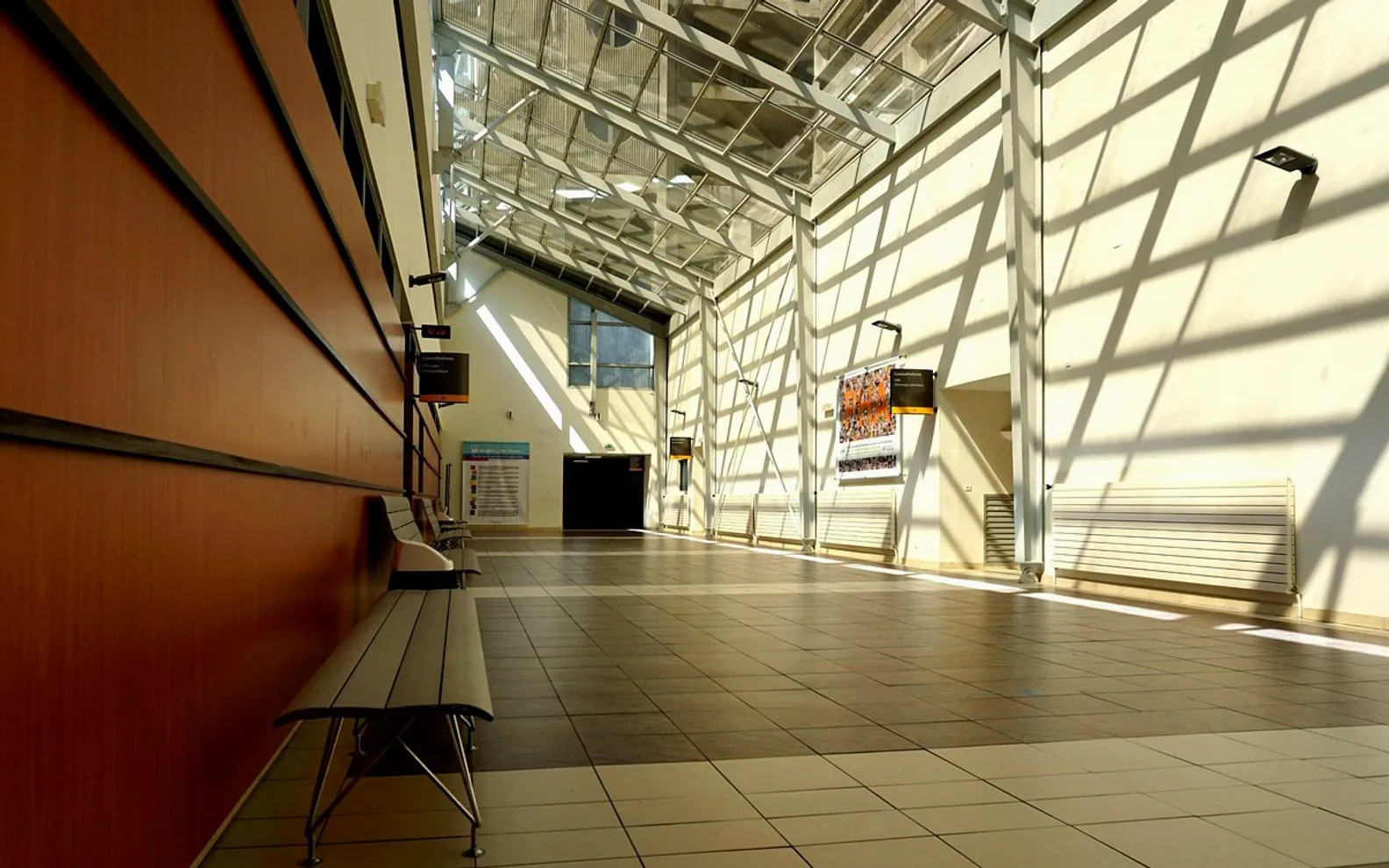
Anyone who has rushed through a large hospital looking for an outpatient clinic knows the feeling: long corridors that all look alike, signs pointing in two directions at once, lifts that only serve some floors. When you are already anxious about an appointment or worried about someone you love, getting lost adds stress you do not need. Digital wayfinding, the use of screens, interactive maps and phone-based directions to guide people around a building, is one way hospitals are trying to make the journey easier.
At its simplest, a wayfinding system replaces or supplements fixed signs with screens at entrances, lift lobbies and busy junctions. A visitor touches the department they need, and the screen shows a route, often with landmarks along the way. Some systems send the same directions to a phone so people can follow them as they walk. Large, clear digital screen display units at the main decision points help those who prefer not to use their own device.
For someone returning to hospital for follow-up care after an accident or operation, a clear route can make the whole visit feel more manageable.
Nurses, porters and receptionists are often stopped several times a day to give directions. A good wayfinding system will not replace a friendly person, but it can reduce the number of interruptions. New staff and agency workers can also find their way around a sprawling site more quickly.
Hospitals change constantly: clinics move, wards are refurbished and entrances close for building work. Printed signs can take months to replace, while digital directions can be updated centrally. That flexibility is one of the strongest arguments in favour of these systems, as long as someone is clearly responsible for keeping the information current.
Some hospitals connect wayfinding to their appointment and check-in systems. After checking in at a kiosk, a patient can receive directions straight to the right waiting area. Others publish maps online so people can plan their route, including parking and entrances, before they leave home.
In a fire or other emergency, screens can switch to show evacuation routes or direct people away from a closed area. Any such use has to be planned with the hospital's safety team and fit alongside existing alarms and signage, but it adds another layer of clear information when it matters most.
Technology only helps if people can use it. The best systems are tested with real patients, including older people and those with visual impairments, before they go live. Screens need to be placed where people naturally pause, at a height that suits wheelchair users, and backed up by good conventional signs for anyone who prefers not to touch a screen. Cost matters too: hospitals need to weigh the upfront investment against savings in printing, staff time and missed appointments.
As buildings and technology evolve, wayfinding will probably become more personal, with routes that adapt to a patient's appointment, mobility needs and preferred language. Whatever form it takes, the goal remains simple: helping people arrive where they need to be, on time and a little less anxious.
The bone may knit in weeks, but strength and movement take longer. Here are the stages of fracture healing, what affects the timeline and how food fits in.
When a cut or surgical wound lingers, something is usually holding it back. Here are the common causes, the food basics that support repair and when to get it seen.
A walking stick only helps if it is the right height and in the right hand. Here is how to set one up and the simple rhythm that makes walking steadier.
Crutches feel awkward for the first day or two. Here is how to set them up, the walking patterns for different weight limits and a safe way to tackle stairs.
Sore ribs after a fall or seat-belt jolt make every breath hurt. Here is how bruised and broken ribs differ, how they heal and how to rest more comfortably.
Most whiplash settles with simple self-care and gentle movement. Here is what helps in the first days, which exercises to try and which symptoms need urgent attention.
Stretchy rehab bands add light, adjustable resistance to recovery exercises. Here is how to choose one, set it up safely and work through a simple eight-move routine.
Massaging a healed scar can keep it soft, flexible and less itchy. Here is when it is usually safe to begin, a simple technique and the signs that mean stop.
Occupational therapists focus on the everyday tasks an injury makes harder. Here are real examples of what they help with, the equipment they use and how to get a referral.
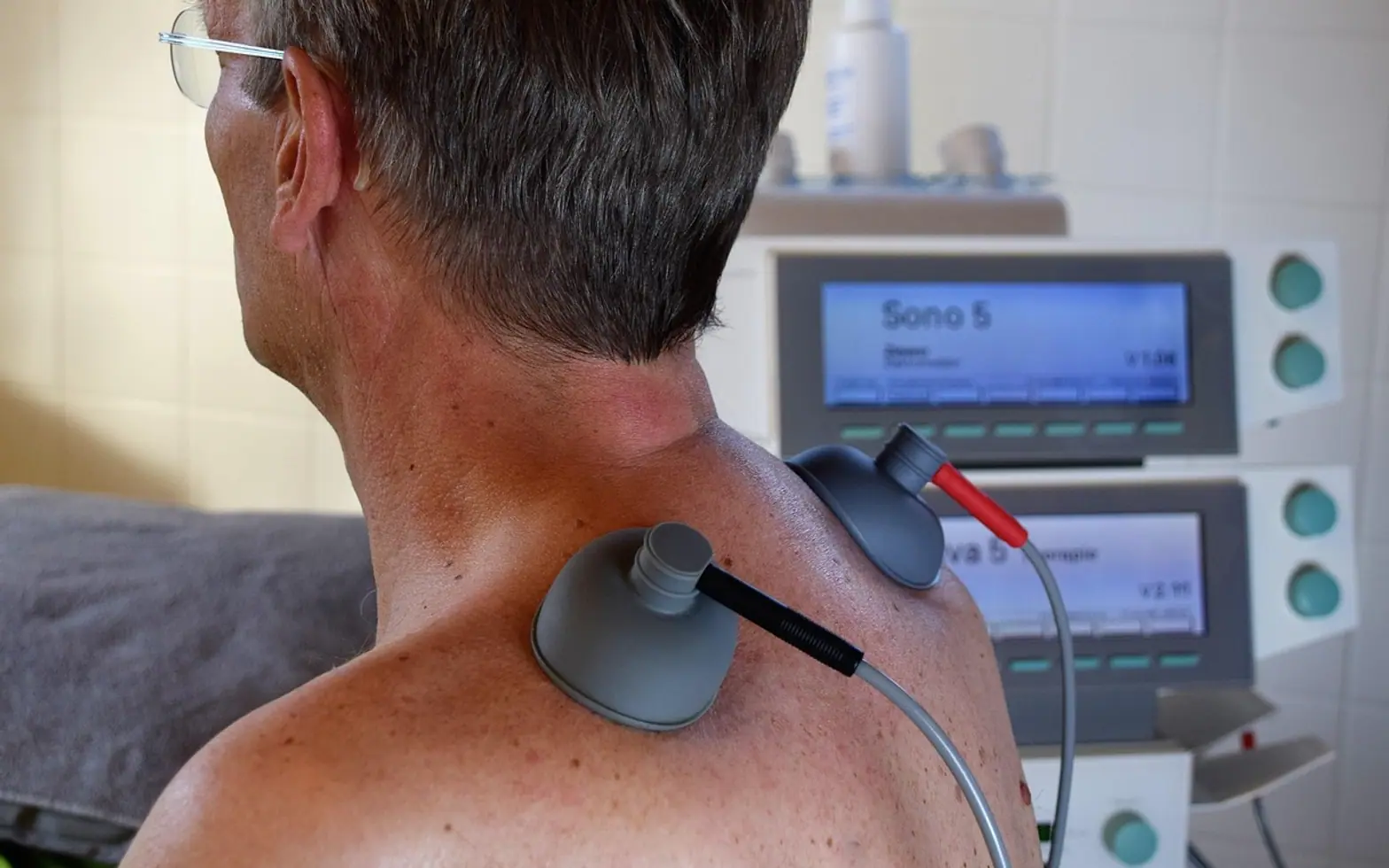
A TENS unit can take the edge off some aches without medicine. Here is how it is thought to work, where the pads usually go and when it is not the right tool.
Small steps
Practical habits readers tell us made the early days of recovery easier to manage.
Write down appointments, symptoms and questions in a single place, so nothing gets lost between visits.
A short written summary of what your care team expects next is easier to follow than a conversation you half remember.
Gentle activity agreed with your physiotherapist or doctor usually beats long stretches of complete rest.
Healing takes energy. Plain, regular meals are more realistic than an ambitious diet while you are sore and tired.
Saying yes to lifts, shopping or a cooked meal frees your energy for the work recovery actually needs.
Clearing things up
General points only. Your own care team knows your situation best.
Often heardIf it does not hurt straight away, nothing is wrong.
Closer to the truthSome injuries take hours or days to show symptoms, which is why a check-up after an accident is sensible.
Often heardRest is always the best medicine.
Closer to the truthRest matters, but for many injuries guided movement is part of getting better. Follow the advice you are given.
Often heardFeeling low after an accident means you are not coping.
Closer to the truthStress, poor sleep and low mood are common reactions. Talking to your GP about them is part of looking after yourself.
Often heardSupplements will speed everything up.
Closer to the truthSome people find certain supplements useful, but they are no substitute for treatment. Check with a pharmacist before adding any.
Before your next appointment
Tick these off and you will get more out of a short consultation.
After an accident or operation
A rough guide to where common worries usually belong. If you are unsure, ask your GP practice or a pharmacist.
This is general information, not a diagnosis. In an emergency call your local emergency number.