- Therapy
- 4 min
When to Use Heat or Ice on an Injury
Ice for the first days of a new injury, heat for stiffness and older aches. How to tell which you need, how to apply each safely and when neither is the answer.
The operation went well, the drain is out and the first walk to the end of the ward is done. Then the craving arrives, and with it the question many patients ask quietly: is one cigarette really going to matter?
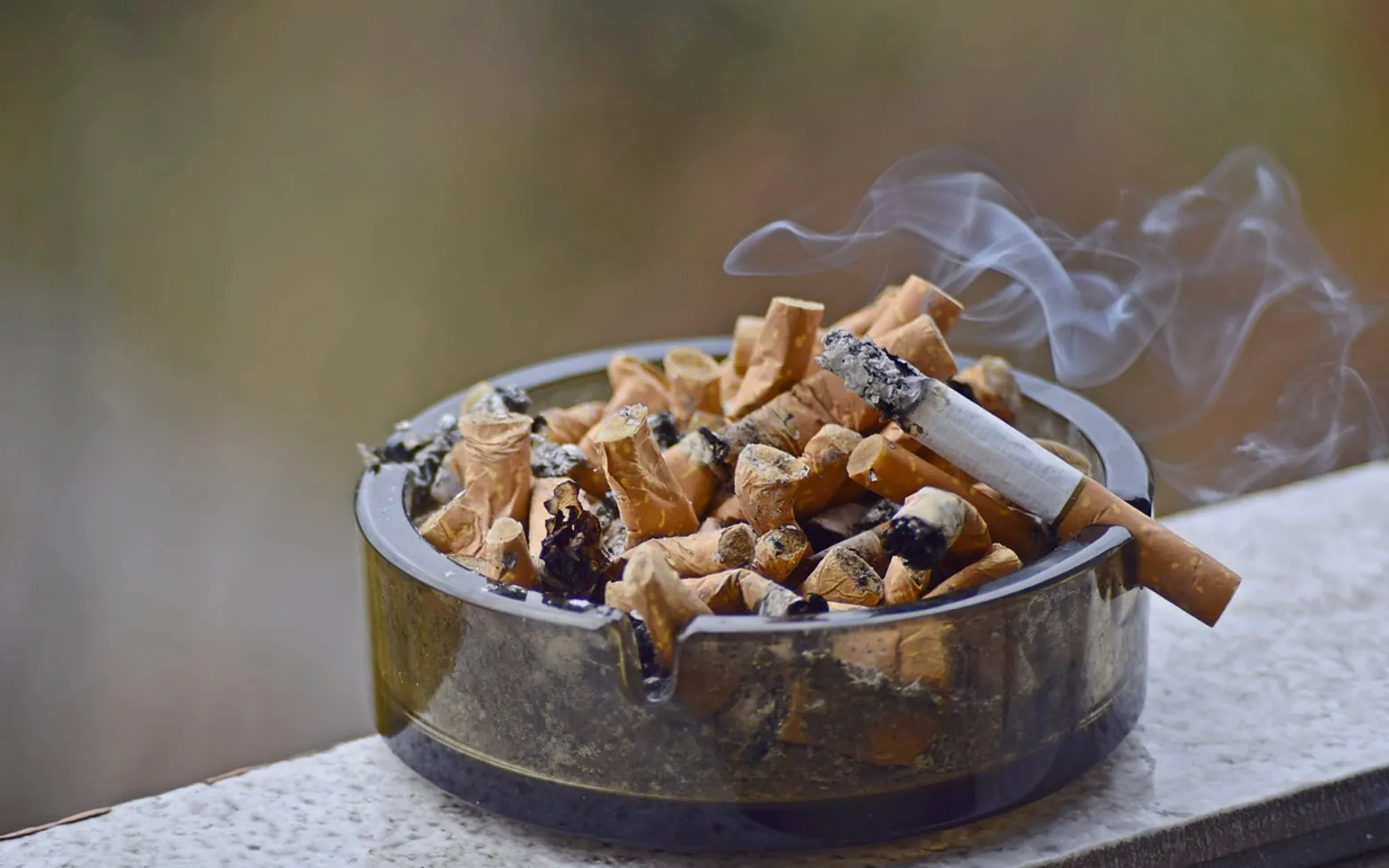
Surgical teams are consistent on this point. Smoking after surgery makes healing harder, and the earlier you stop, the more your body has to work with. That is not a moral judgement; it comes down to blood flow, oxygen and the way repair tissue is built.
A wound heals from the inside out. New tissue needs a steady supply of blood carrying oxygen, nutrients and the cells that fight infection. Tobacco smoke works against each part of that.
In practice this can mean a wound that stays open longer, edges that pull apart, more noticeable scarring or an infection that needs extra treatment. If a wound seems stuck, there is a wider look at the causes in our article on slow wound healing.
The effects are not limited to the skin. Bones also rely on a good blood supply to knit, and smoking is widely linked with slower fracture healing and a higher risk of a bone failing to join, which matters after an accident or any operation on a joint. The timelines in how long a broken bone takes to heal assume nothing is holding the process back.
Lungs matter too. After a general anaesthetic, and especially after chest or abdominal surgery, deep breaths and coughing hurt, so mucus can collect. Smokers already produce more of it and clear it less well, which adds to the risk of a chest infection in the days after the operation.
The general advice is that the sooner you stop before planned surgery, the better, and that several weeks smoke-free gives your circulation and lungs a real head start. Stopping even a day or two beforehand still lets carbon monoxide levels in the blood fall. Stopping afterwards still helps the wound. There is no point at which it becomes too late to be worth it.
Your surgical or pre-assessment team will tell you what they want for your operation. Some procedures, such as certain bone, plastic or reconstructive operations, have firmer rules because the results depend so heavily on blood supply.
A hospital stay can be a natural break, since you cannot smoke on the ward anyway. The hard part is often going home to old routines while sore, tired and bored.
Nicotine replacement products avoid the smoke, the tar and the carbon monoxide, which is why they are routinely offered around surgery. Nicotine itself still narrows blood vessels, though, so some surgeons ask patients to cut down or stop all nicotine before particular operations.
Many adults use vapes as a way off cigarettes, and some find rechargeable devices easier to stick with; there is more on that in our article on how reusable vapes help smokers switch. Vaping is not risk-free, and the advice around an operation can differ from day-to-day life, so mention it to your surgical team rather than assuming it is fine.
Stopping smoking is one of several things that support healing. Eating enough protein, drinking regularly, resting well and keeping the wound clean and dry as instructed all help. Once the skin has closed and your nurse or surgeon agrees, gentle scar massage can help a scar soften and settle.
Contact your GP, the ward or NHS 111 if the wound becomes hotter, redder, more swollen or more painful, starts to leak pus or smell, or if you develop a fever. Those signs need checking whether or not you smoke.
Before your next appointment
Tick these off and you will get more out of a short consultation.
Ice for the first days of a new injury, heat for stiffness and older aches. How to tell which you need, how to apply each safely and when neither is the answer.
The bone may knit in weeks, but strength and movement take longer. Here are the stages of fracture healing, what affects the timeline and how food fits in.
A walking stick only helps if it is the right height and in the right hand. Here is how to set one up and the simple rhythm that makes walking steadier.