- Recovery
- 4 min
How Long Does a Broken Bone Take to Heal?
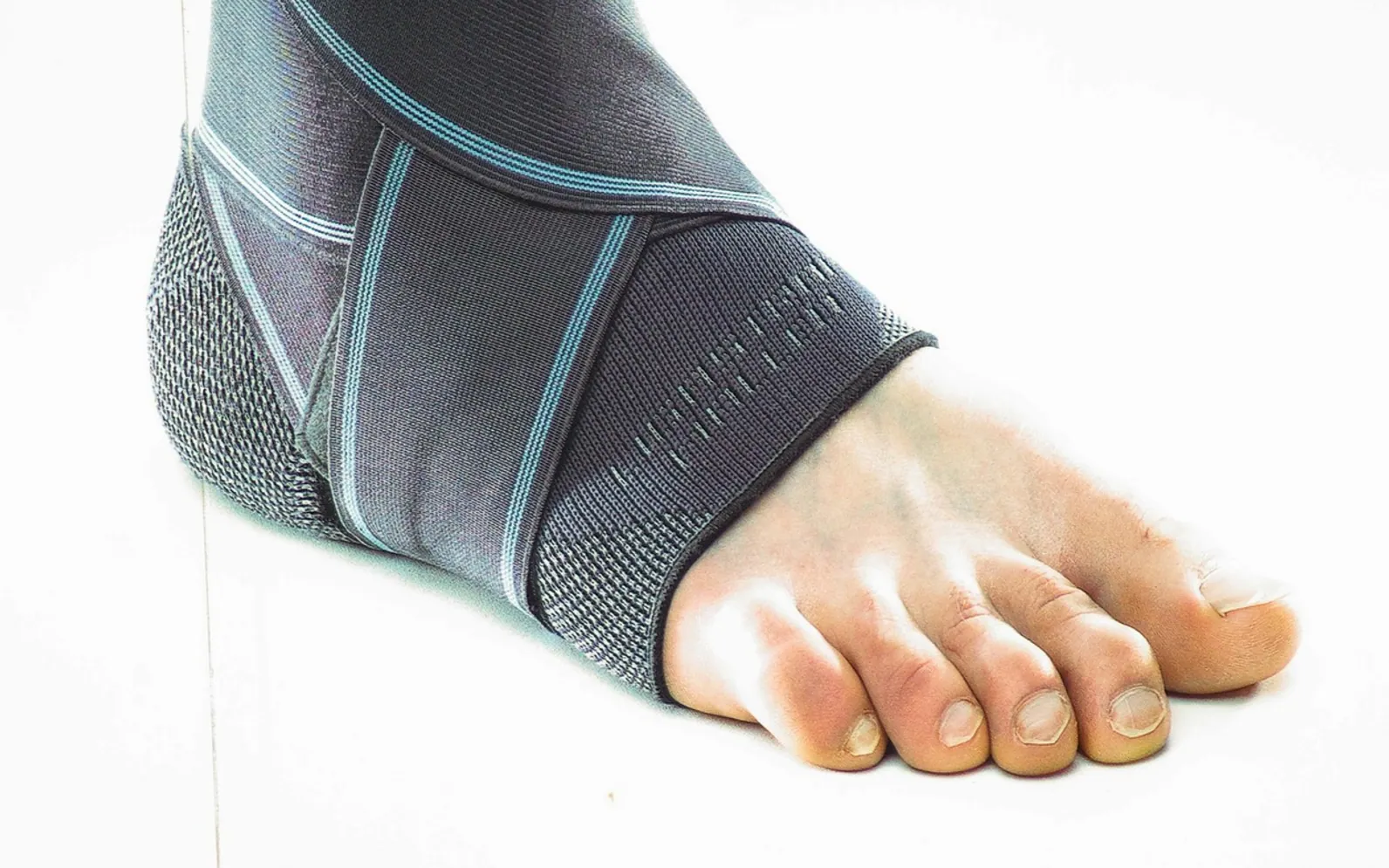
The bone may knit in weeks, but strength and movement take longer. Here are the stages of fracture healing, what affects the timeline and how food fits in.
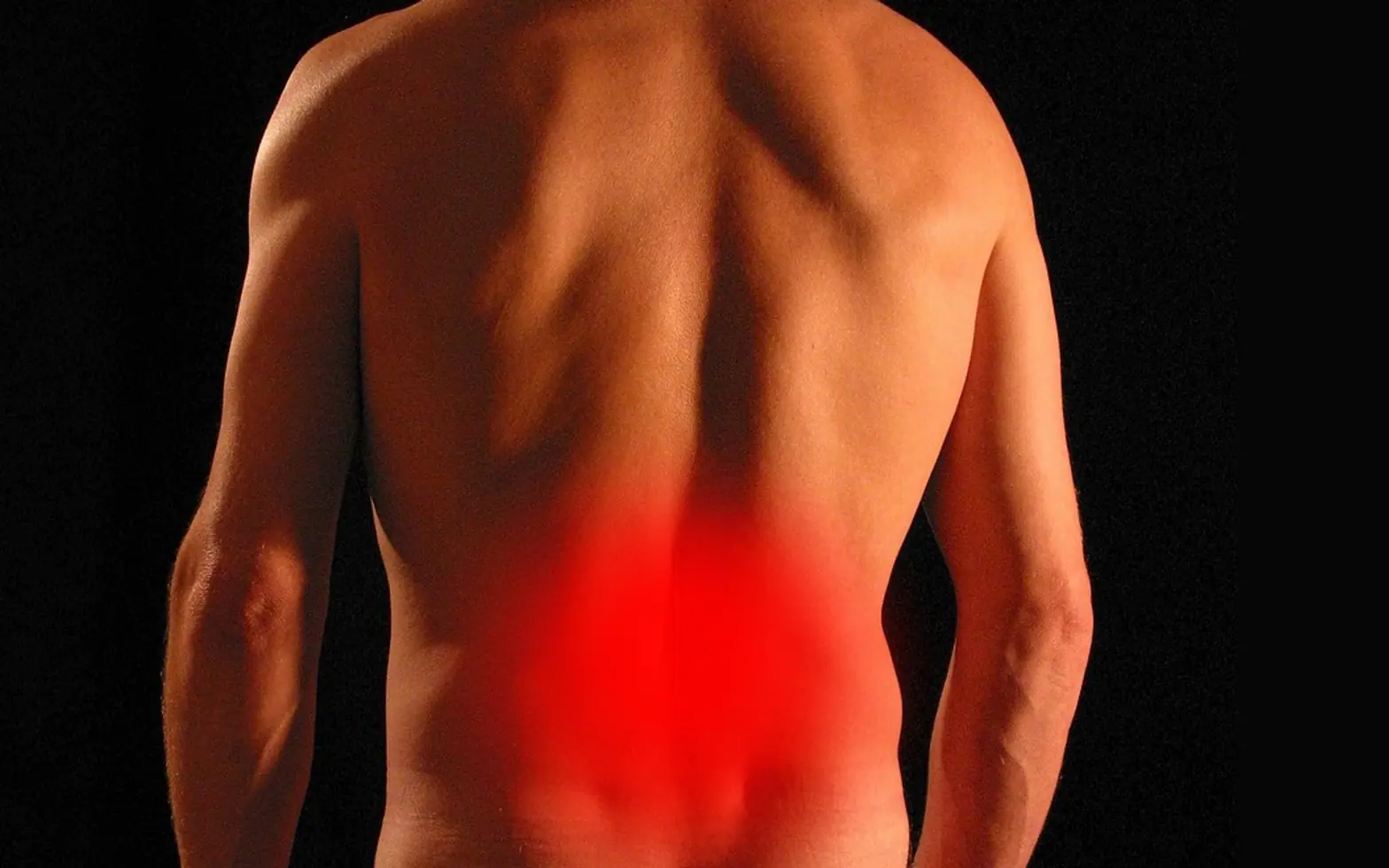
Many people walk away from a collision feeling fine, only to wake up stiff and sore the next day. Adrenaline can mask discomfort for hours. Knowing what is common — and what isn’t — helps you decide when to rest at home and when to get checked.
Mild symptoms like these often improve over days to weeks, but they are still worth mentioning to a pharmacist or GP if they worry you.
Not sure which service to use? Our guide to urgent or emergency care explains the options.
Book an appointment if pain isn’t improving, stops you working or sleeping, or you simply feel something isn’t right. Our list of questions worth writing down helps you make the most of the visit.
Feeling anxious about travelling or replaying the accident is common. If it lasts or affects daily life, tell your GP — support is available.
Before your next appointment
Tick these off and you will get more out of a short consultation.
The bone may knit in weeks, but strength and movement take longer. Here are the stages of fracture healing, what affects the timeline and how food fits in.
When a cut or surgical wound lingers, something is usually holding it back. Here are the common causes, the food basics that support repair and when to get it seen.
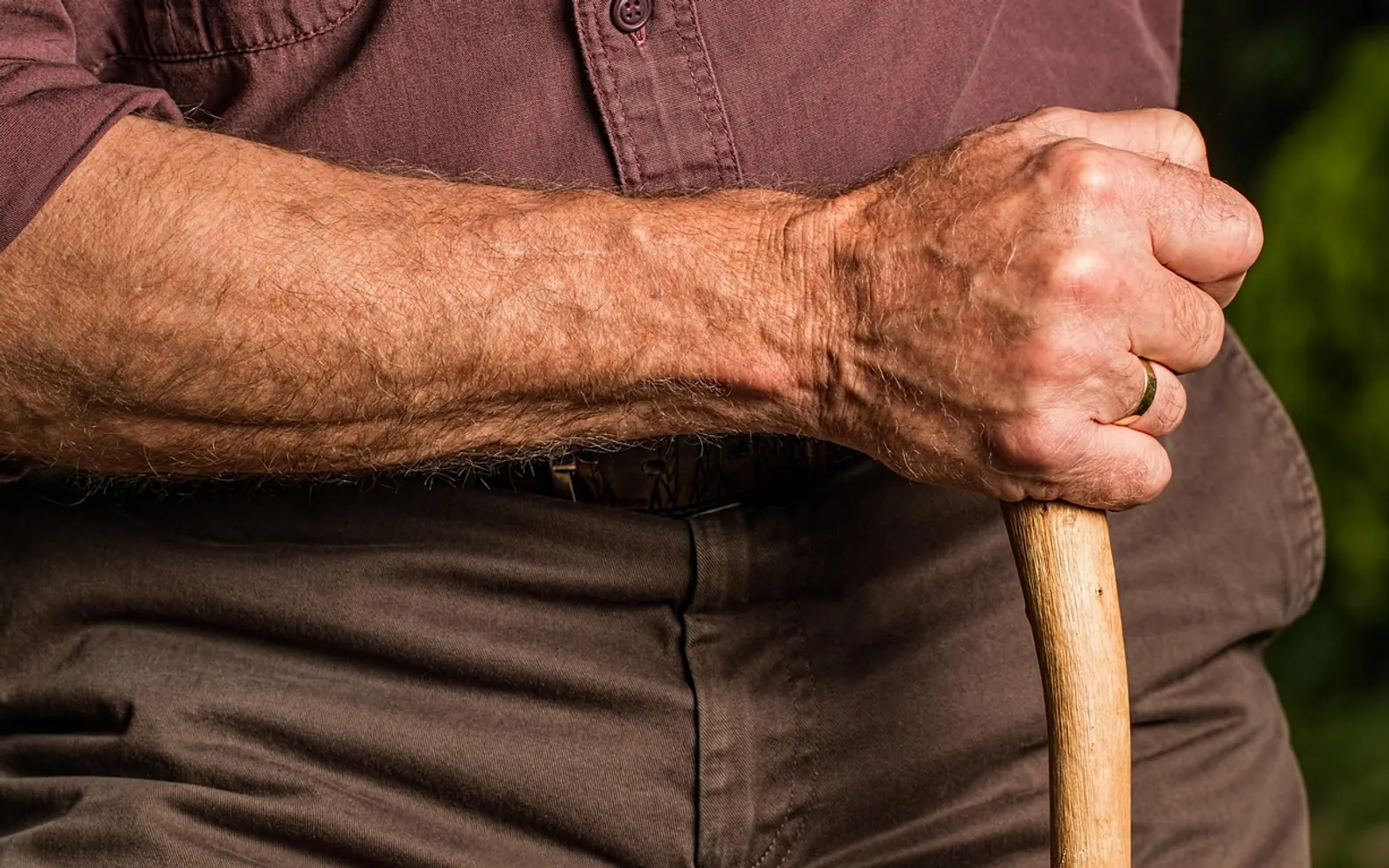
A walking stick only helps if it is the right height and in the right hand. Here is how to set one up and the simple rhythm that makes walking steadier.