- Nutrition
- 4 min
Slow Wound Healing: What Holds It Back and What Helps
When a cut or surgical wound lingers, something is usually holding it back. Here are the common causes, the food basics that support repair and when to get it seen.
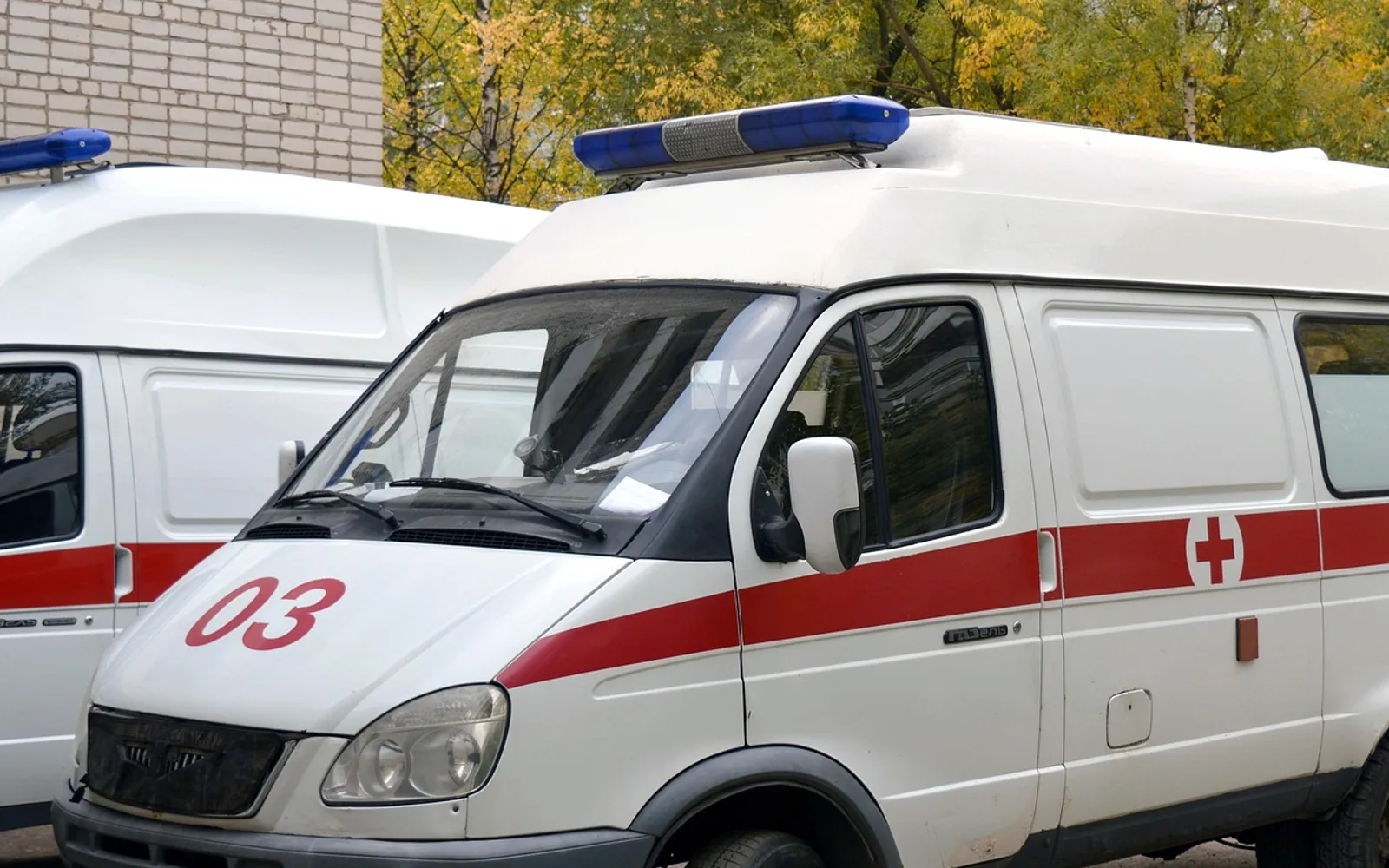
When you or someone close to you is unwell or hurt, it is not always obvious where to go. Is this something for the pharmacist, the GP, a walk-in centre or the emergency department? Making the right choice can get you help faster and keep emergency services free for those who need them most. This is a general guide for the UK; if you are ever in doubt about whether something is serious, treat it as an emergency.
Call 999 immediately for a life-threatening emergency. Examples include:
Stay on the line and follow the call handler's instructions. They can talk you through first aid while help is on the way.
If you need medical help quickly but it is not an emergency, NHS 111 is available by phone or online at any time of day or night. You answer questions about the symptoms, and you are directed to the right place: that might be a pharmacy, an urgent treatment centre, an out-of-hours doctor or, if needed, an ambulance. NHS 111 can also arrange call-backs from nurses or doctors.
Pharmacists are trained health professionals and a good first stop for many minor problems, such as coughs and colds, sore throats, minor skin conditions, aches and pains, and questions about medicines. You do not usually need an appointment, and many have a private room if you want to talk confidentially. They will tell you if you need to see someone else.
For ongoing problems, symptoms that are not getting better, repeat prescriptions and anything that needs a longer conversation or tests, contact your GP practice. Many now offer online requests as well as phone appointments. If something seems to be getting worse while you wait, do not hesitate to contact NHS 111.
These deal with injuries and illnesses that need prompt attention but are not life-threatening, such as sprains, suspected simple fractures, minor burns and cuts that may need stitches. Opening times and services vary, so check what is available near you before you need it.
If someone is in immediate danger, call 999. For urgent mental health support, NHS 111 can help you reach local crisis services. Helplines such as Samaritans are available day and night for anyone who needs to talk.
Take a few minutes now to find out where your nearest urgent treatment centre and emergency department are, save your GP's number in your phone and make sure everyone in your household knows how to contact NHS 111 and 999. In a stressful moment, having that information ready can save valuable time.
These categories are a guide, not a rulebook. If you are worried that something is serious, it is always better to seek help and be reassured than to wait and hope for the best.
Before your next appointment
Tick these off and you will get more out of a short consultation.
When a cut or surgical wound lingers, something is usually holding it back. Here are the common causes, the food basics that support repair and when to get it seen.
Sore ribs after a fall or seat-belt jolt make every breath hurt. Here is how bruised and broken ribs differ, how they heal and how to rest more comfortably.
Feeling fine at the roadside and stiff the next morning is common. Here is what people often notice, which signs need urgent care, and when to see your GP.