Menopause arrives differently for everyone. For some women it passes with little fuss; for others, hot flushes, broken sleep, low mood, aching joints and brain fog make daily life harder for months or years. It is no surprise that supplements line the shelves of every chemist, each promising some kind of relief. Some have a reasonable basis, others much less so. Here is a calm look at the main groups, and the questions worth asking before you spend money on any of them.
Start with the basics
Falling oestrogen levels speed up bone loss, which is why bone health deserves attention during and after menopause. Vitamin D helps the body absorb calcium, and in the UK it is generally advised that adults consider a daily vitamin D supplement during the autumn and winter months, when sunlight is weak. Calcium is best obtained from food where possible, such as dairy, fortified plant drinks, tinned fish with bones and leafy greens. Magnesium is often mentioned for sleep and muscle cramps, though a varied diet covers most people's needs.
Herbal products
Black cohosh, red clover, sage and dong quai are some of the herbal products most often sold for menopause symptoms. Some women feel they help with hot flushes; research results have been mixed. Herbal does not automatically mean harmless. Some of these products can interact with prescription medicines, and black cohosh has been linked in rare cases to liver problems. In the UK, look for the Traditional Herbal Registration (THR) mark, which shows a product meets quality standards, although it is not proof that it works.
Omega-3 fats
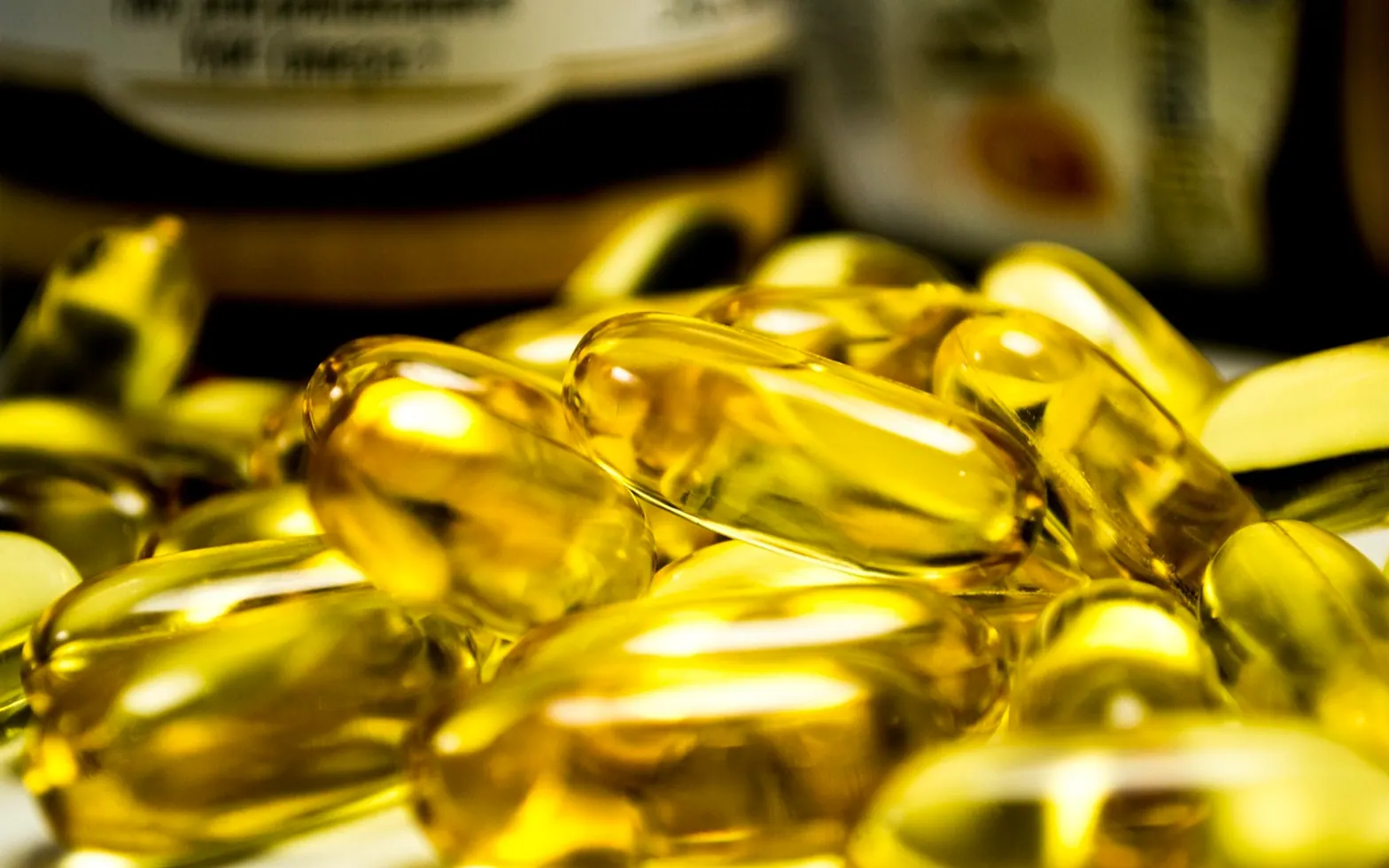
The risk of heart disease rises after menopause, so heart health becomes even more important. Omega-3 fats, found in oily fish such as salmon, mackerel and sardines, are part of a heart-friendly diet. If you do not eat fish, a supplement is an option to discuss with a pharmacist, particularly if you take blood-thinning medication.
Stress and sleep
Hormonal changes can make stress feel harder to manage and sleep more fragile. Products marketed as adaptogens, such as ashwagandha and rhodiola, are popular, but good-quality evidence is limited, and they are not suitable for everyone. Simple changes, including a regular bedtime, a cooler bedroom, less caffeine and alcohol in the evening, and regular physical activity, often make a noticeable difference and carry no risk of interactions.
Gut health
There is growing scientific interest in the links between gut bacteria, mood and metabolism. Probiotics and fermented foods such as yoghurt and kefir may suit some people, though it is too early to say they ease menopause symptoms specifically. A diet rich in fibre, vegetables, pulses and whole grains supports gut health in a broader way.
Reading around before you buy
Newspaper and magazine round-ups of the best menopause supplements uk can be a useful way to see what is on the market and what each product contains. Treat them as a starting point for questions rather than a prescription. Check the ingredients against anything else you take, look at the doses, and be sceptical of products that claim to fix everything at once.
Talk it through
The most important step is a conversation with your GP, practice nurse or pharmacist. They can check whether a supplement is safe alongside your other medicines and health conditions. They can also talk you through treatments with stronger evidence behind them, including hormone replacement therapy, which is the most effective option for many women and is safe for most. Menopause is a natural stage of life, but you do not have to simply put up with symptoms that are affecting your health, work or relationships.