- Guides
- 4 min
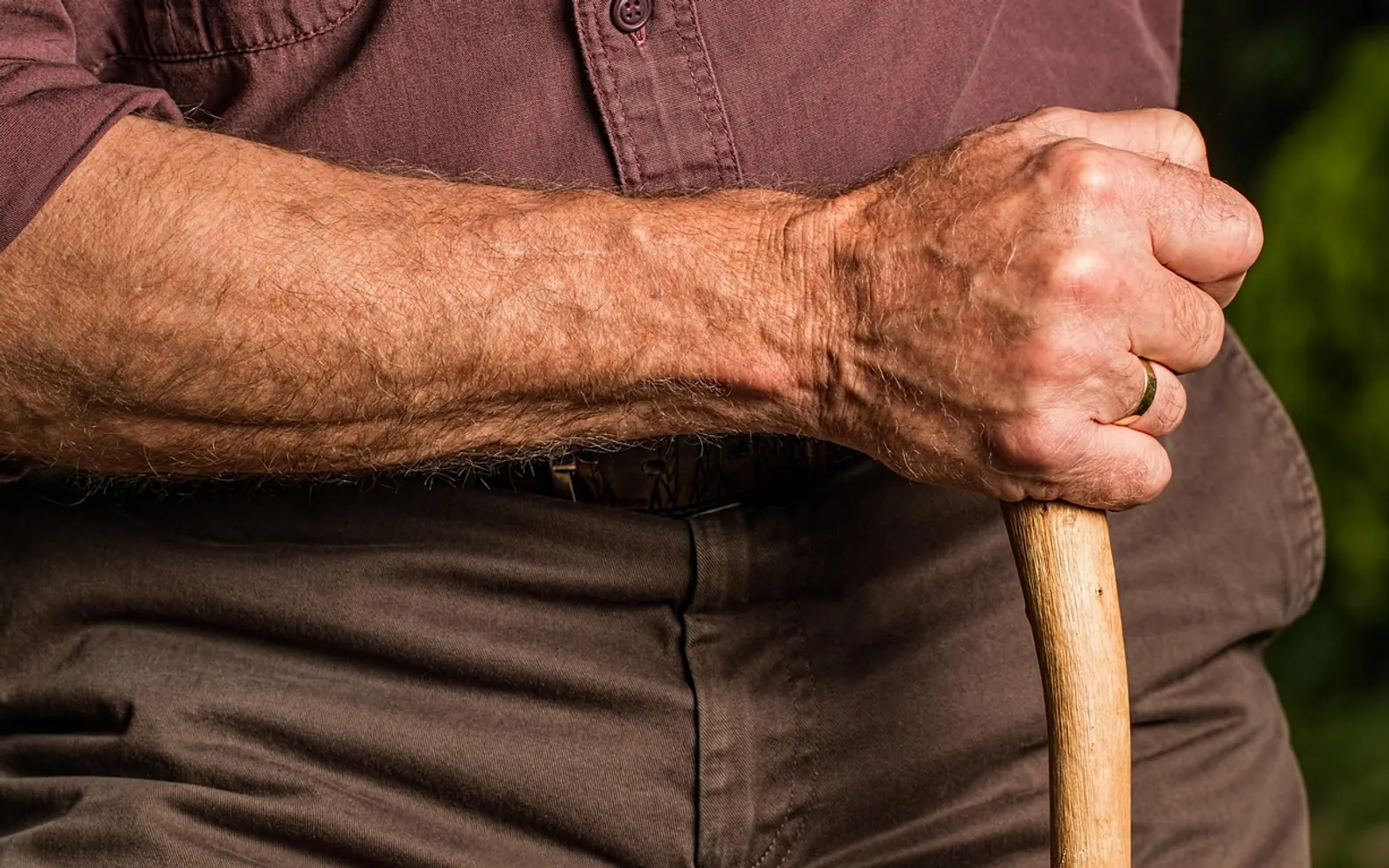
How to Walk With a Cane: Height, Hand and Rhythm
A walking stick only helps if it is the right height and in the right hand. Here is how to set one up and the simple rhythm that makes walking steadier.

Male enhancement products are marketed relentlessly, from late-night adverts to sponsored posts that seem to know exactly when someone is feeling low. Their message is rarely subtle: you are not quite enough, but this could fix it. For many men, the real cost is not the money spent on pills and gadgets. It is the slow erosion of confidence that comes from measuring yourself against an image built to sell products.
Pressure to look or perform a certain way is often tangled up with deeper worries: about relationships, ageing, status or simply being accepted. Products that promise a physical fix leave those worries untouched. When results do not match the advertising, as they often do not, the disappointment can feed a cycle of trying the next thing, then the next. Over time, that cycle can bring anxiety, frustration and a sense of being stuck.
At the heart of the problem is where self-worth comes from. If feeling good enough depends on outside approval, whether from partners, peers or strangers online, it becomes fragile. Some signs that this may be happening:
| Pattern | How it can feel |
|---|---|
| Constant comparison with others | Insecurity, envy, never measuring up |
| Fixation on appearance or performance | Less energy for friendships, interests and growth |
| Fear of being judged | Avoiding intimacy, social events or honest conversations |
None of these makes someone weak. They are common human reactions to a culture that sells narrow ideas of what a man should be.
The first step is simply recognising the pattern. When you feel the urge to buy another product, it can help to ask what you are actually hoping it will change. Often the honest answer is about feeling accepted, wanted or secure, which no supplement can deliver.
Counselling and talking therapies give men space to explore insecurities without judgement. A therapist can help unpick where those beliefs came from and build more steady ways of seeing yourself. Writers who focus on men's psychology make a similar case that enhancement culture can do real damage to how men see themselves (source: https://themancoachmalepsychology.mystrikingly.com/blog/why-male-enhancement-is-harmful-for-modern-men-s-psyche). If there are physical concerns, a GP is the right person to see; many issues have medical causes that are worth checking properly rather than masking with products bought online.
Friendships and partnerships built on honesty provide a kind of reassurance that advertising cannot. Being able to say "I've been feeling rubbish about myself" to someone you trust is often the start of feeling better.
| Step | What it can offer |
|---|---|
| Noticing the pattern | Less harsh self-criticism |
| Professional support | Space to tackle the underlying worries |
| Honest relationships | Steadier confidence over time |
Self-compassion can sound soft, but it is practical. Treating yourself with the patience you would offer a friend makes it easier to handle setbacks without spiralling. Physical activity chosen for enjoyment and health, rather than to chase an ideal body, can also lift mood and confidence in a way that lasts.
Ultimately, this is not only an individual problem. A culture that links masculinity to narrow physical standards leaves many men feeling inadequate. Talking openly about these pressures, and valuing men for their character, care and contribution, helps loosen the grip of an industry that profits from insecurity. If you are struggling with low mood or anxiety, reaching out to a GP or a mental health helpline is a sign of strength, not failure.
Before your next appointment
Tick these off and you will get more out of a short consultation.
A walking stick only helps if it is the right height and in the right hand. Here is how to set one up and the simple rhythm that makes walking steadier.
Crutches feel awkward for the first day or two. Here is how to set them up, the walking patterns for different weight limits and a safe way to tackle stairs.
Stretchy rehab bands add light, adjustable resistance to recovery exercises. Here is how to choose one, set it up safely and work through a simple eight-move routine.