- Recovery
- 4 min
How Long Does a Broken Bone Take to Heal?
The bone may knit in weeks, but strength and movement take longer. Here are the stages of fracture healing, what affects the timeline and how food fits in.
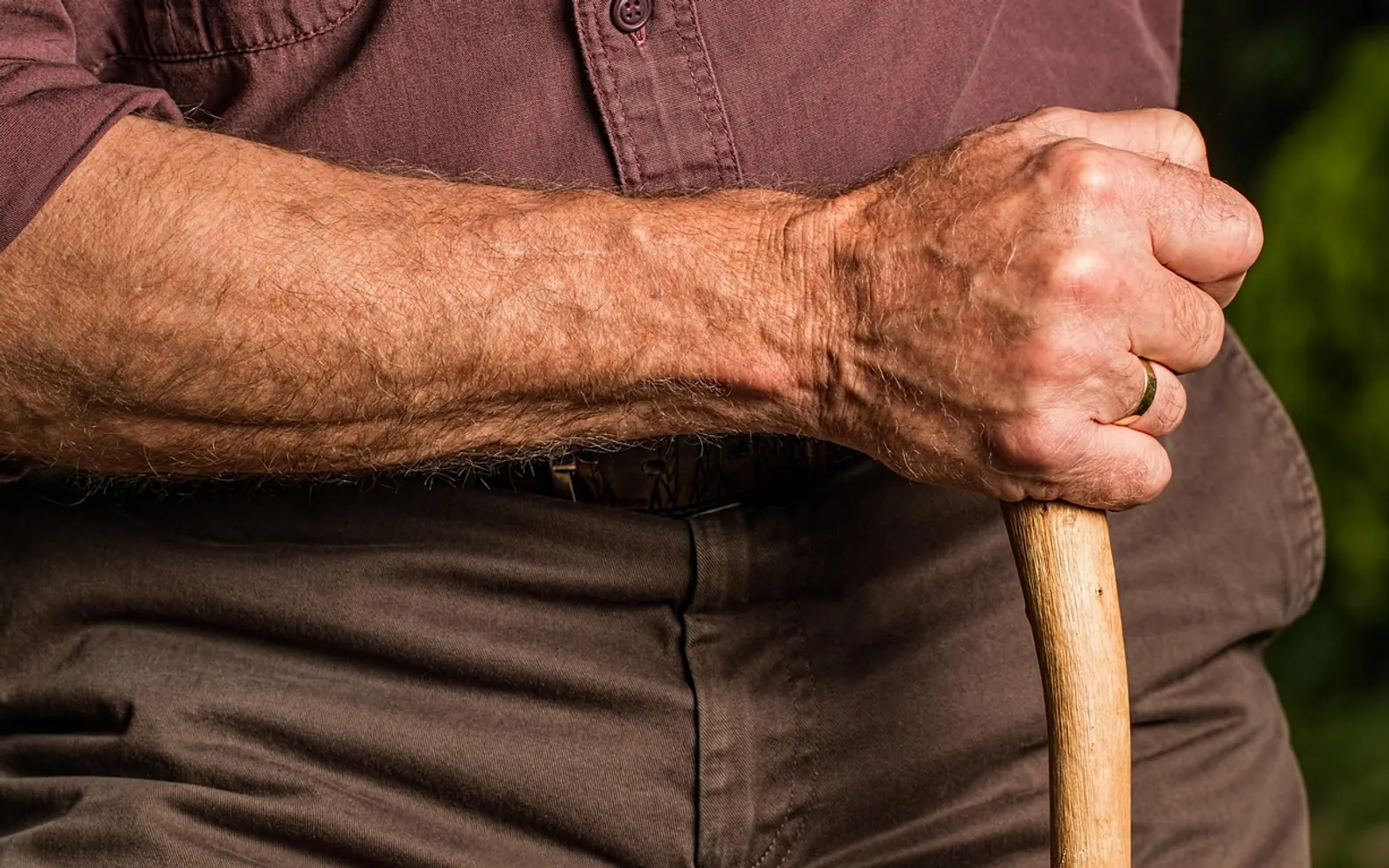
Hold the cane in the hand opposite your weaker or painful leg, set it so the handle sits level with your wrist crease, and move the cane forward at the same time as the weaker leg. The stronger leg then steps through. That simple pattern shifts weight away from the sore side and gives you a steadier base, but only if the cane is the right height and in good condition.
A cane, or walking stick, suits people who need a little extra balance or want to take some load off one leg. It offers less support than crutches or a frame. If you have been told not to put weight on a leg, or you feel unsteady even with a stick, a physiotherapist or occupational therapist may suggest something more supportive. Moving from crutches to a single stick is a common step as recovery progresses; how to walk with crutches covers the stage before.
| Type | Features | Often chosen for |
|---|---|---|
| Single-point stick | One rubber tip, light, often height-adjustable | Mild balance problems or one sore joint |
| Offset-handle cane | Handle sits over the shaft, so weight goes straight down | People who lean on the stick more heavily |
| Quad cane | Small base with four feet that stands up by itself | Extra support, mainly on flat ground |
| Folding stick | Collapses to fit in a bag | Occasional use and travel |
The handle matters too. A wider, contoured grip spreads pressure across the palm and is often kinder to stiff or sore hands.
A stick that is too long pushes the shoulder up; one that is too short makes you stoop. Wooden sticks are cut to length, so get help before trimming one.
Use the hand on the opposite side to the weaker leg. If the right knee hurts, hold the stick in the left hand. This mirrors the natural swing of the arms when walking and lets the stick share the load at the moment the weaker leg touches down. It feels back to front for many people at first, but with practice it soon becomes automatic.
Short, even steps are safer than long ones. Turn using several small steps rather than pivoting on the stick.
Use the handrail whenever there is one. The stair rule matches the one for crutches: going up, step with the stronger leg first, then bring up the weaker leg and the cane; going down, place the cane first, then the weaker leg, then the stronger one. Treat each kerb as a single step. To sit, back up until the chair touches your legs, rest the cane against something stable and lower yourself using the armrests.
Slopes, wet leaves and ice all change the picture. Shorten your steps, wear shoes with good grip and think about an ice-grip tip attachment in winter. Carry belongings in a bag across the body so your free hand is available when you need it.
A physiotherapist can watch you walk, check the height and suggest the best type of stick. An occupational therapist can look at how you manage at home with it, as described in occupational therapy examples. If you are having falls, near misses or new pain, mention it to your GP.
Before your next appointment
Tick these off and you will get more out of a short consultation.
The bone may knit in weeks, but strength and movement take longer. Here are the stages of fracture healing, what affects the timeline and how food fits in.
Crutches feel awkward for the first day or two. Here is how to set them up, the walking patterns for different weight limits and a safe way to tackle stairs.
Most whiplash settles with simple self-care and gentle movement. Here is what helps in the first days, which exercises to try and which symptoms need urgent attention.