- Recovery
- 4 min
How Long Does a Broken Bone Take to Heal?
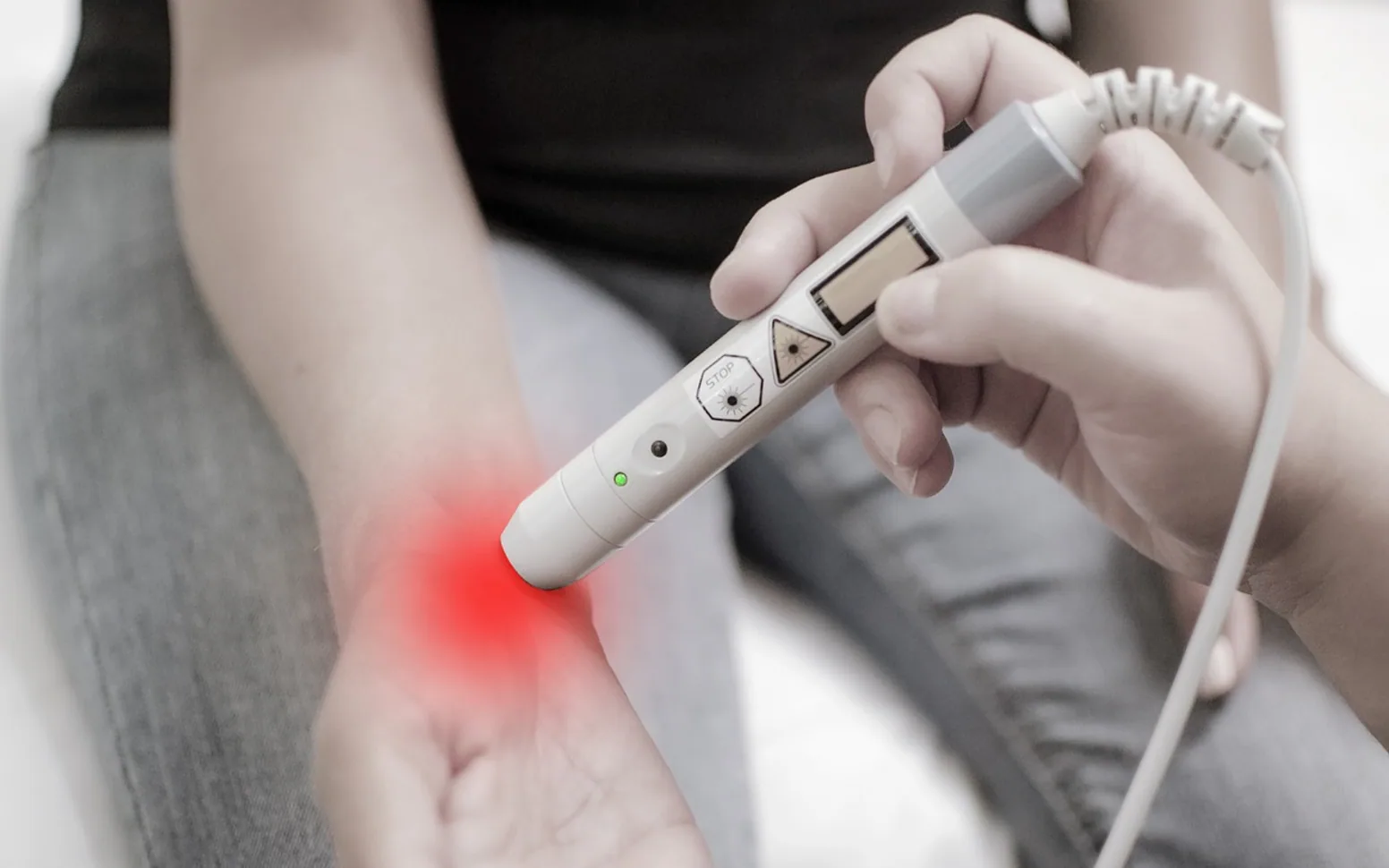
The bone may knit in weeks, but strength and movement take longer. Here are the stages of fracture healing, what affects the timeline and how food fits in.
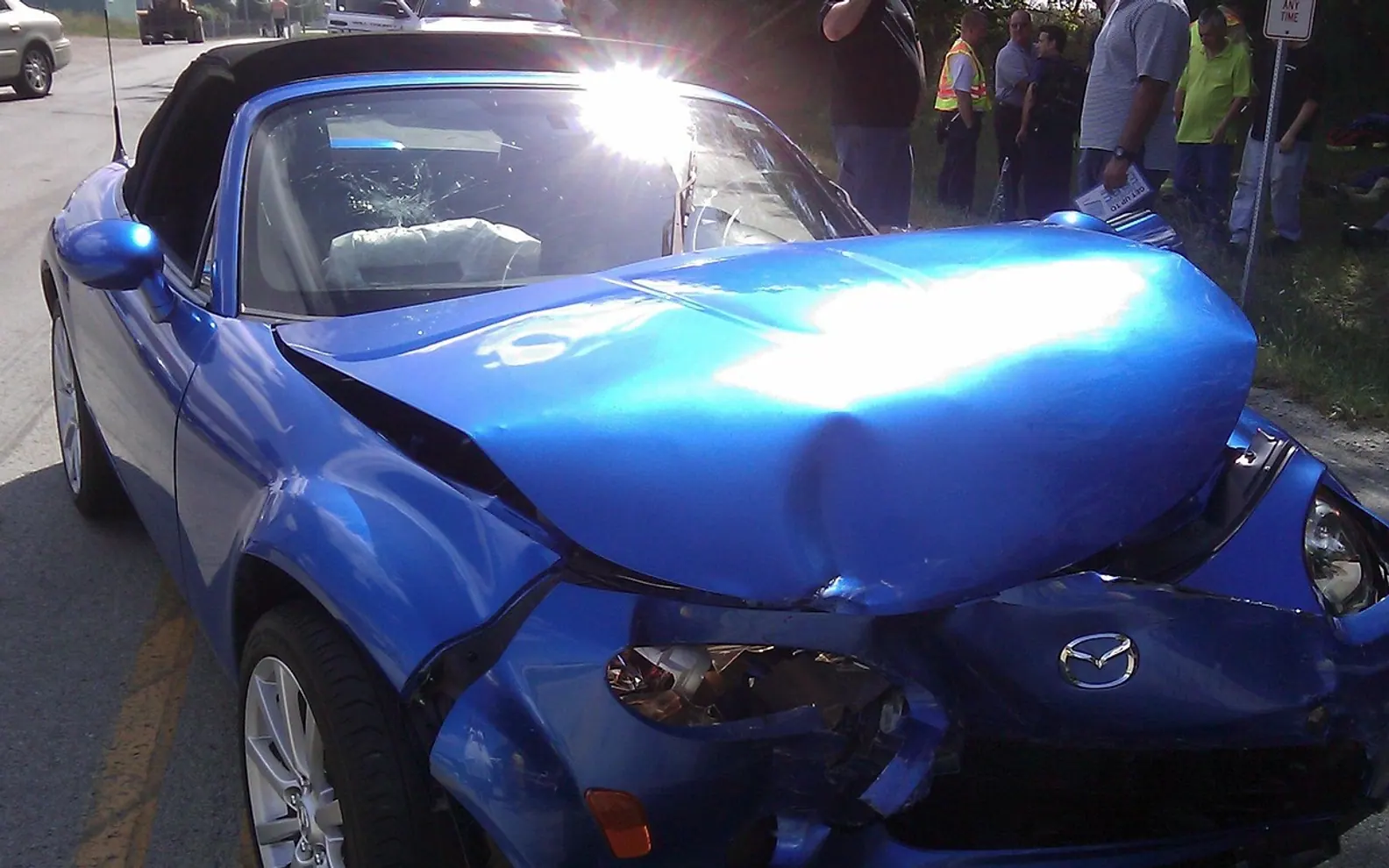
Even a low-speed bump can leave you shaky and unsure what to do first. Having a simple sequence in your head makes the moment easier. This guide covers the general steps for a minor collision in the UK; if anyone is seriously hurt or the road is blocked, call 999 straight away.
Stop as soon as it is safe, switch off the engine and turn on your hazard lights. If you can move to a safer spot without making things worse, do so. Stay well away from moving traffic, especially on fast roads.
Ask the people in both vehicles how they feel. Shock can hide pain, so take any complaint seriously. If someone is injured or you are unsure, call 999.
Drivers involved in a collision are expected to stop and give their details to anyone with a reasonable need for them. Swap:
If you can’t exchange details at the scene, the incident needs to be reported to the police as soon as possible. Your insurer or the police can tell you what applies to your situation.
Take photos of the vehicles, their positions, the road and any damage. Note the time, weather and anything that seemed relevant, and ask witnesses for their contact details. Notes made on the day are far easier to rely on than memory later.
Most policies ask you to report an accident promptly, even if you don’t intend to claim. Keep a copy of everything you send and receive.
Aches can appear a day or two later. Our article on aches and pains after a car accident explains what to watch for, and if your confidence behind the wheel has taken a knock, see getting back behind the wheel.
This is general information, not legal advice. For questions about your own case, speak to your insurer or a qualified adviser.
Before your next appointment
Tick these off and you will get more out of a short consultation.
The bone may knit in weeks, but strength and movement take longer. Here are the stages of fracture healing, what affects the timeline and how food fits in.
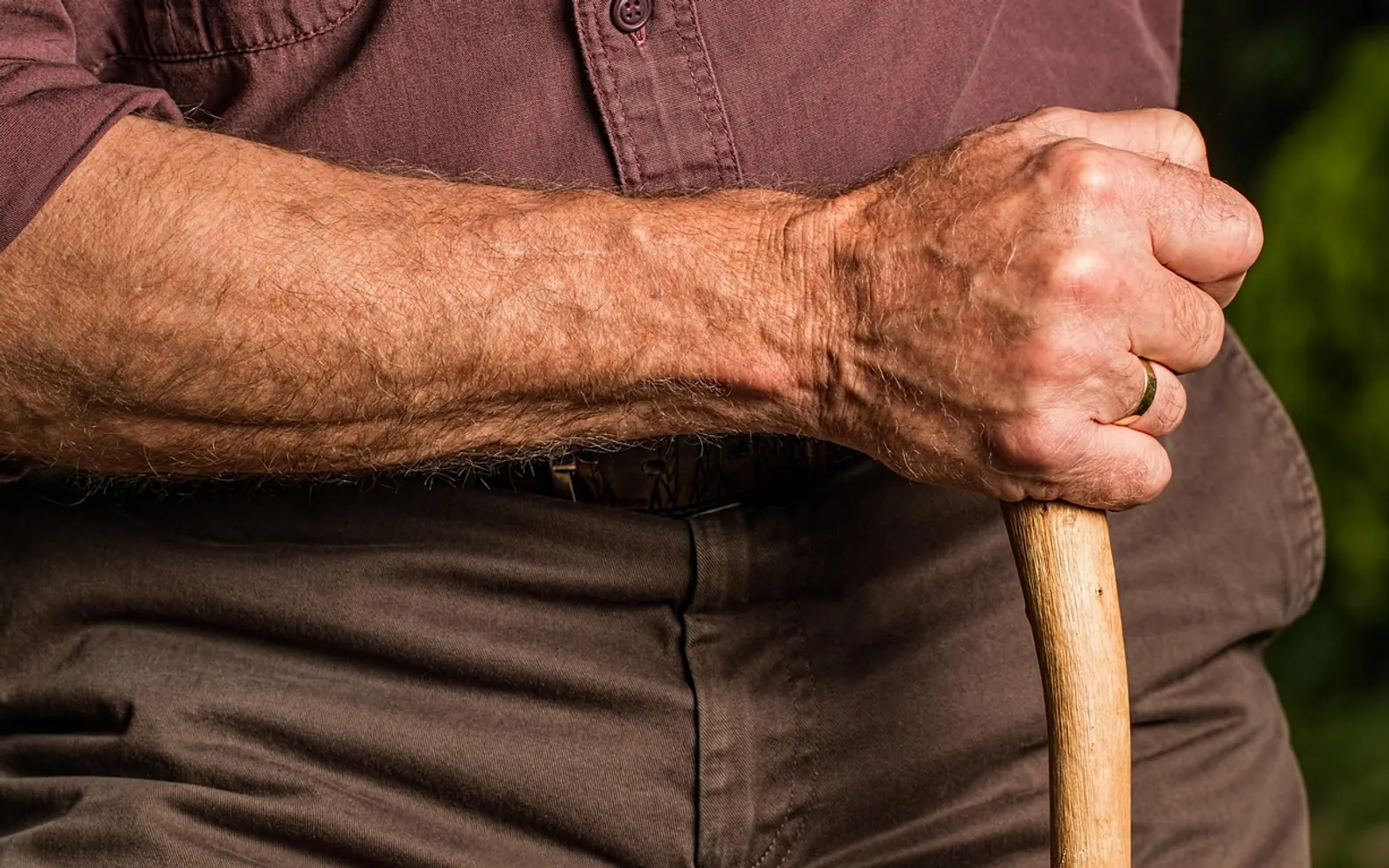
A walking stick only helps if it is the right height and in the right hand. Here is how to set one up and the simple rhythm that makes walking steadier.
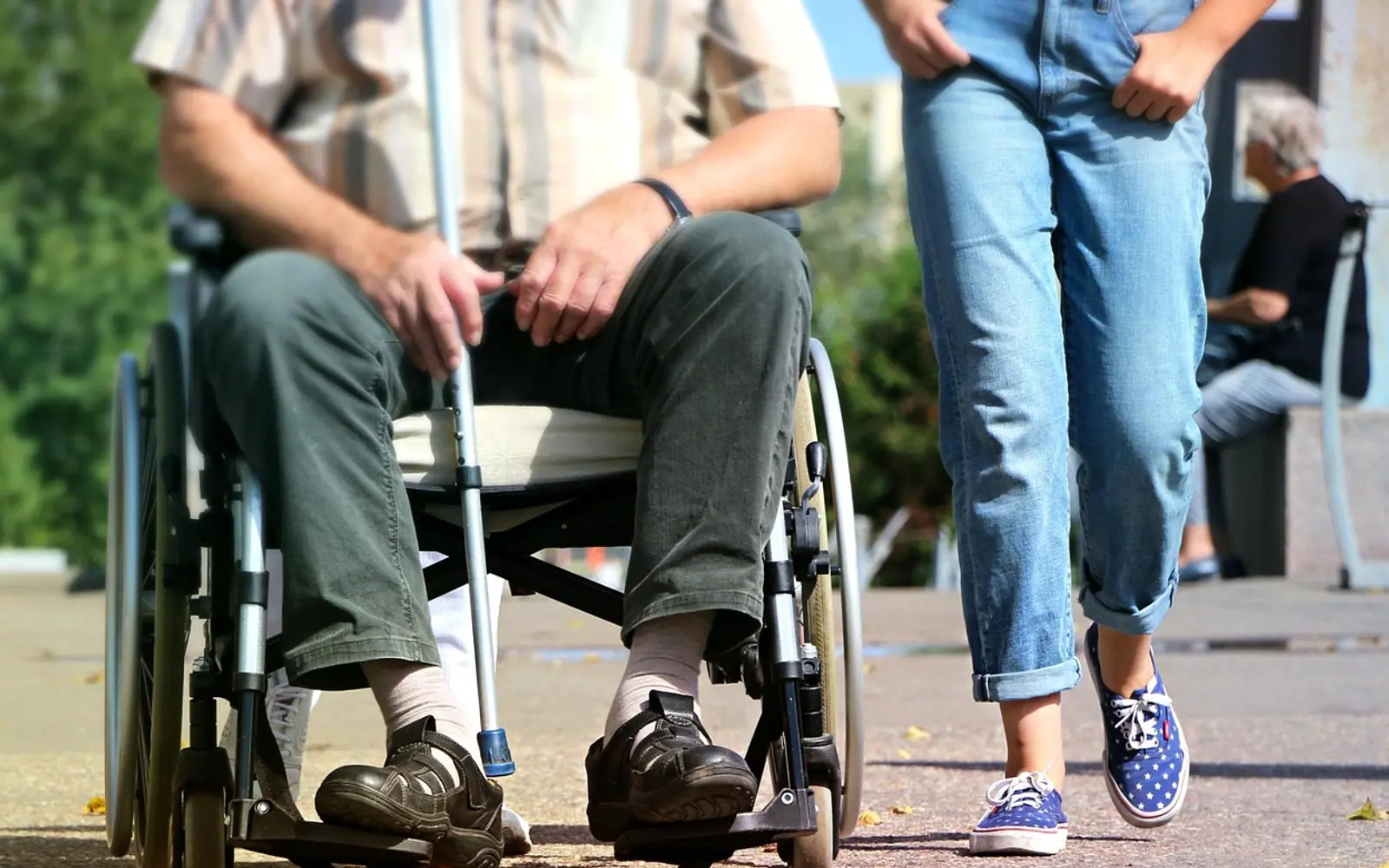
Crutches feel awkward for the first day or two. Here is how to set them up, the walking patterns for different weight limits and a safe way to tackle stairs.