- Nutrition
- 4 min
Slow Wound Healing: What Holds It Back and What Helps
When a cut or surgical wound lingers, something is usually holding it back. Here are the common causes, the food basics that support repair and when to get it seen.
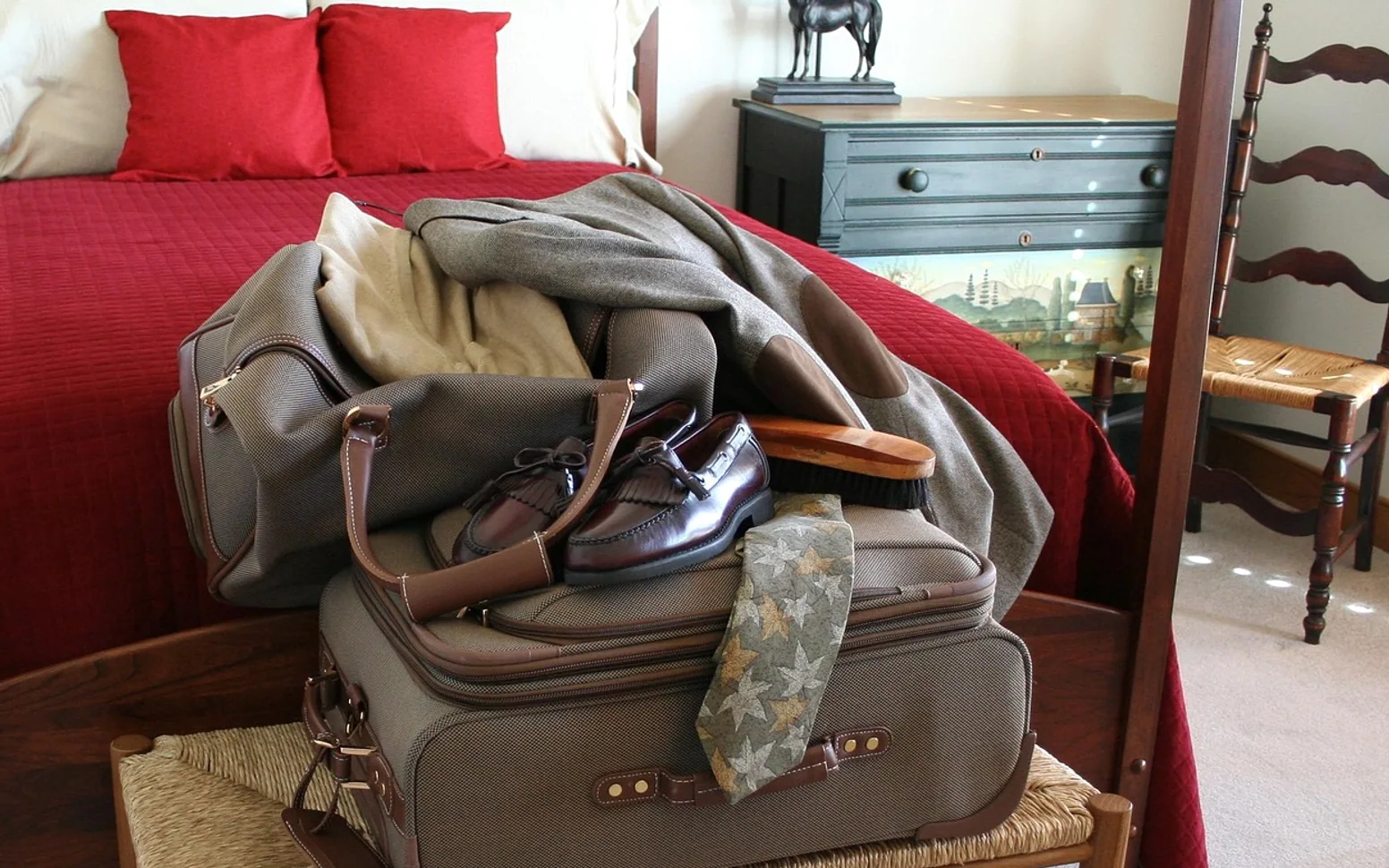
For a planned operation, bring a small bag with your paperwork, your current medicines in their original boxes, a list of what you take, loose comfortable clothes, slip-on shoes, glasses or hearing aids with their cases, a phone charger with a long cable and a few things to pass the time. Leave jewellery, large amounts of cash and anything valuable at home. That covers most stays; the details below help you fine-tune it for a day case or a few nights on a ward.
Always check the letter or leaflet from your hospital first. Units have their own rules on what fits beside a bed, whether you can bring food in and when to stop eating and drinking, and those instructions come before any general list.
These are the items people most often wish they had remembered. Put them in an outside pocket so you are not digging for them at the admissions desk.
After an operation, buttons, zips over a wound and tight waistbands become surprisingly hard work. Choose clothes for the body you will have on the way out, not the one you walk in with.
Much of a surgery day is waiting: for the anaesthetist, for your slot, for the ward round, for transport. A few small things make those hours easier.
If someone is coming with you, agree beforehand who keeps the notebook. A companion who writes things down while you are drowsy is worth more than any gadget, and there are practical tips on taking that role in our piece on supporting someone at medical appointments.
| Leave behind | Why |
|---|---|
| Rings, watches and other jewellery | They usually have to come off before theatre, and swelling can make rings hard to remove later. |
| Large sums of cash and spare bank cards | Lockers are small and wards are busy; one card and a little change is enough. |
| Nail varnish and false nails | Staff may ask for at least one nail to be clear so a finger clip can read your oxygen level. |
| Make-up and strong perfume | Skin colour is checked during and after anaesthesia, and scents bother other patients. |
| A laptop or tablet you would hate to lose | Bring only what you are comfortable leaving on a bedside table. |
For day surgery, keep the bag light: documents, medicines, a comfortable outfit to go home in and something to read. You will normally need an adult to collect you and stay with you for the first night, because driving and being alone straight after a general anaesthetic or sedation are usually ruled out. Check how long your unit expects that to last.
Add two or three changes of nightwear and underwear, a washbag, a light jumper and a small bag for laundry. Many hospitals now encourage patients to get up, dress and walk soon after surgery as part of enhanced recovery after surgery, so day clothes are useful rather than optimistic.
Large hospitals can be confusing on a morning when you are hungry and nervous. Look up which entrance and which department your letter names, how parking works, and how long the walk is from the car park or bus stop. Some sites have screens and signposted routes to the main departments, and the ideas behind them are covered in our article on digital wayfinding in hospitals.
The trip home deserves just as much thought. If you will be on crutches, practise with them before the day if you can, and read up on walking with crutches, stairs included. Set up the house before you leave: a clear path from the door, a chair with arms, and the things you use most at waist height. Our guide to recovering from knee surgery at home has a fuller checklist that suits many other operations too.
If anything changes before the day, such as a new cough, a cold, a cut near the operation site or a new medicine, ring the number on your admission letter. The team would much rather hear about it the evening before than at the bedside.
Before your next appointment
Tick these off and you will get more out of a short consultation.
When a cut or surgical wound lingers, something is usually holding it back. Here are the common causes, the food basics that support repair and when to get it seen.
A walking stick only helps if it is the right height and in the right hand. Here is how to set one up and the simple rhythm that makes walking steadier.
Crutches feel awkward for the first day or two. Here is how to set them up, the walking patterns for different weight limits and a safe way to tackle stairs.