- Recovery
- 4 min
How Long Does a Broken Bone Take to Heal?
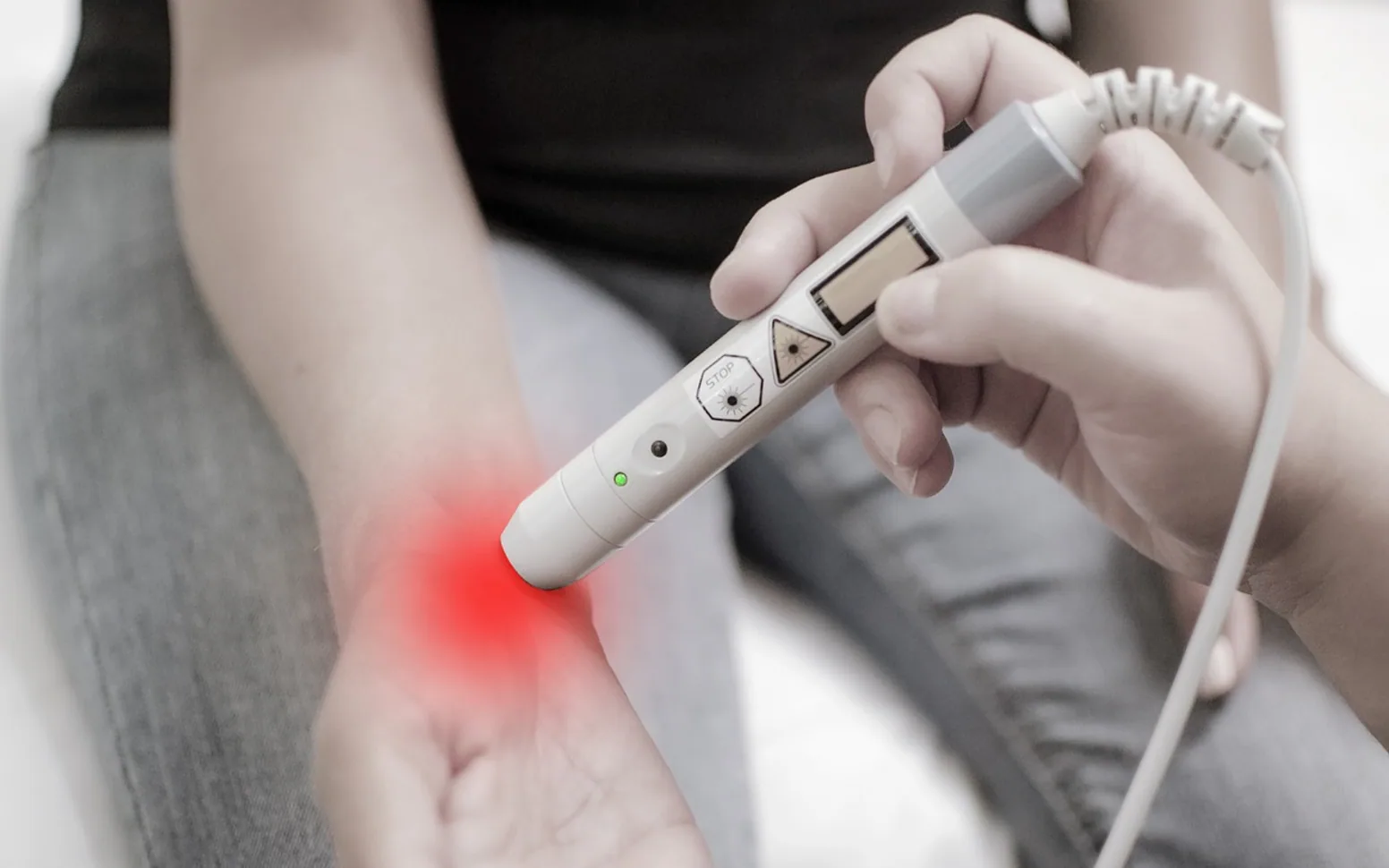
The bone may knit in weeks, but strength and movement take longer. Here are the stages of fracture healing, what affects the timeline and how food fits in.

After an injury, the first good day can feel like a release. The pain eases, energy returns, and there is a strong urge to catch up on everything that has piled up: the shopping, the garden, the emails, the walk you have missed for weeks. Then the next day arrives, and with it a flare of pain or exhaustion that knocks you back. Many people recovering from accidents, operations or illness recognise this pattern. Pacing is a simple, practical way to break it.
Pacing is about doing a steady, manageable amount of activity each day rather than swinging between bursts of effort and long periods of rest. It sounds obvious, but it runs against instinct. On good days we want to do more; on bad days we do almost nothing. Over time, that boom-and-bust cycle can make recovery slower and more frustrating.
The aim is to find a level of activity you can manage even on a less good day, and to build up from there in small, planned steps.
For a few days, keep a simple note of what you do and how you feel afterwards. You might jot down:
Patterns usually emerge quickly. You might notice that thirty minutes of housework is fine but forty-five leaves you sore the next morning. That gives you a baseline: a little below the point where symptoms start to climb.
Once you know your limits, big jobs can be split up. Instead of cleaning the whole kitchen, wipe the worktops now and do the floor this afternoon. Instead of a long supermarket trip, try two shorter visits or an online order. Alternate physical tasks with quieter ones, and build short breaks into your day before you feel you need them.
A timer can help. It is easy to lose track of time when absorbed in a task, and a gentle reminder to stop and change position can prevent a setback.
When your baseline feels comfortable for a week or so, add a small amount, perhaps a few extra minutes of walking or one more task. Then hold that level until it feels steady before adding more. Progress may feel slow, but steady gains tend to last longer than dramatic leaps.
There will still be setbacks. A flare does not mean you have failed or undone all your progress. It is a signal to drop back to a lower level for a few days and then build up again.
If you are under the care of a physiotherapist, occupational therapist or doctor, share your activity notes with them. They can help you set realistic targets and adjust your plan as you improve. Always follow any specific advice you have been given about movement or weight-bearing, and seek medical help if pain suddenly worsens, you notice new numbness or weakness, or something simply does not feel right.
Pacing asks for patience, which can be hard when you just want your old life back. It may help to think of it as training rather than holding back. Each steady day lays another brick in the foundation. Over weeks and months, those bricks add up to a stronger, more reliable recovery, and far fewer days lost to doing too much.
Before your next appointment
Tick these off and you will get more out of a short consultation.
Score each day's pain, note your sleep and what you did, and collect questions as they come up. Spot the boom-and-bust days, then print the diary for your next appointment.
Nothing here is stored or sent: the diary lives only in this open tab, so print it before you close the page. It is a notebook for your own observations, not a medical assessment. If pain suddenly worsens or you notice new numbness or weakness, get medical help rather than waiting for the next appointment.
The bone may knit in weeks, but strength and movement take longer. Here are the stages of fracture healing, what affects the timeline and how food fits in.
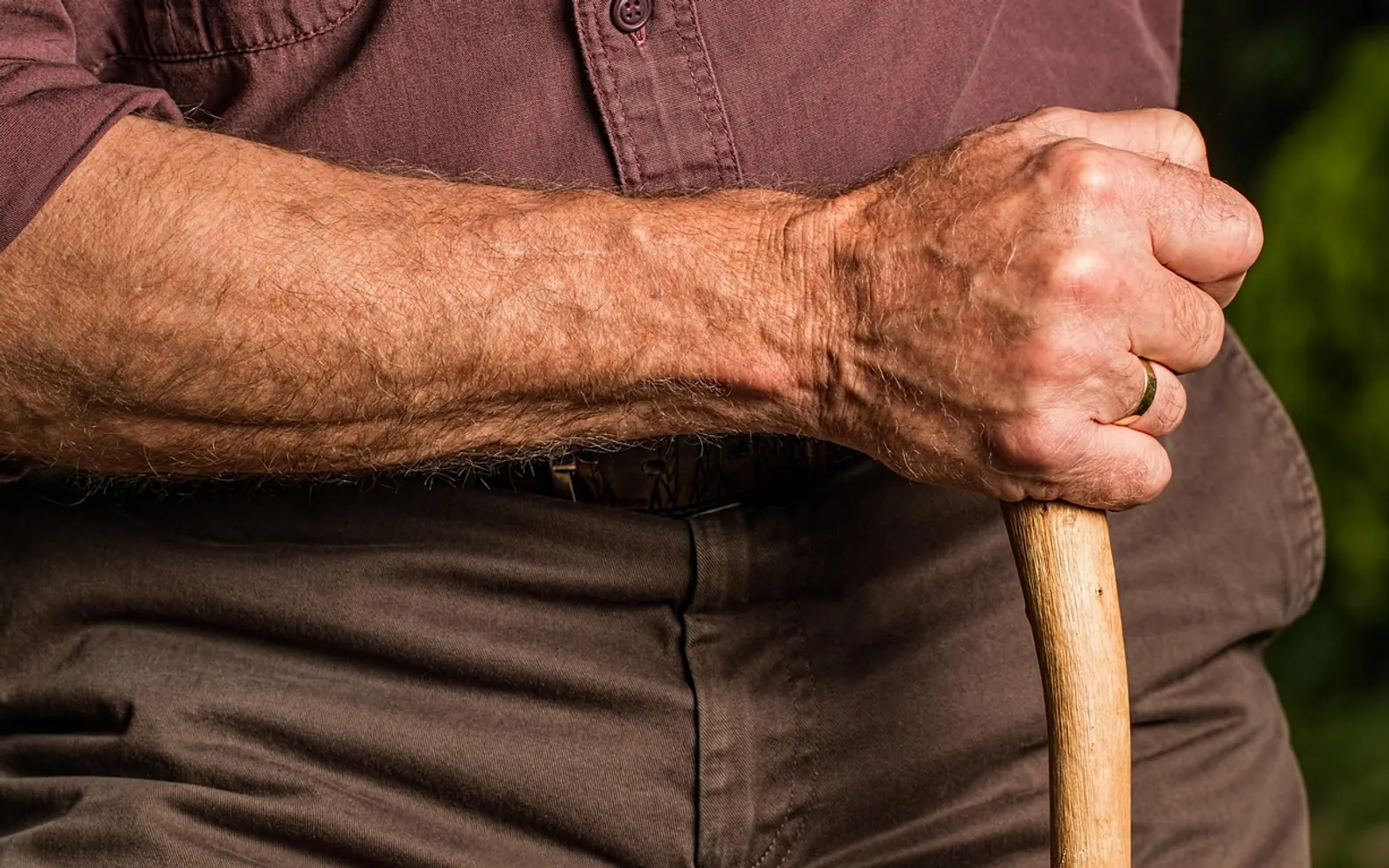
A walking stick only helps if it is the right height and in the right hand. Here is how to set one up and the simple rhythm that makes walking steadier.
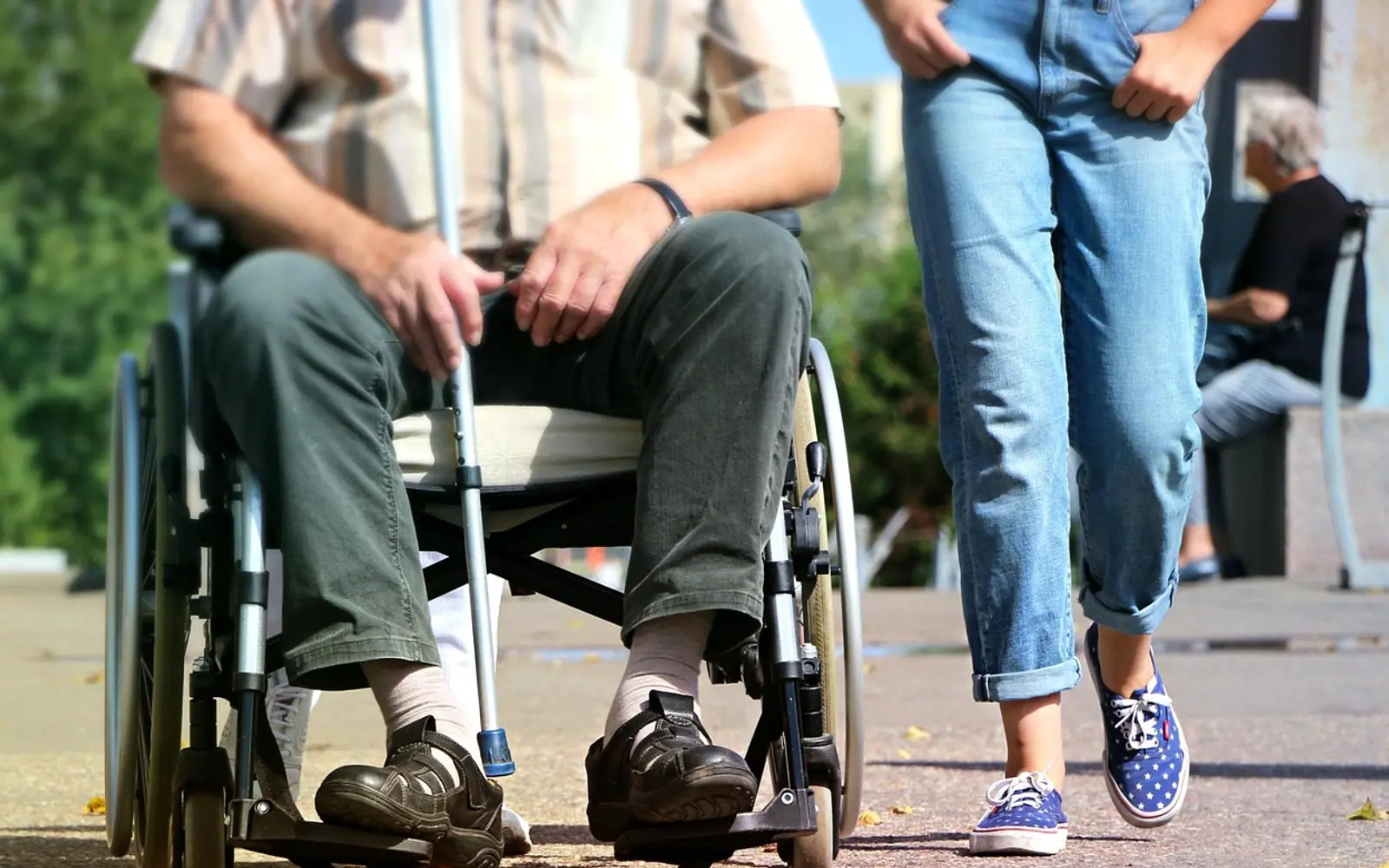
Crutches feel awkward for the first day or two. Here is how to set them up, the walking patterns for different weight limits and a safe way to tackle stairs.