- Recovery
- 4 min
How Long Does a Broken Bone Take to Heal?
The bone may knit in weeks, but strength and movement take longer. Here are the stages of fracture healing, what affects the timeline and how food fits in.
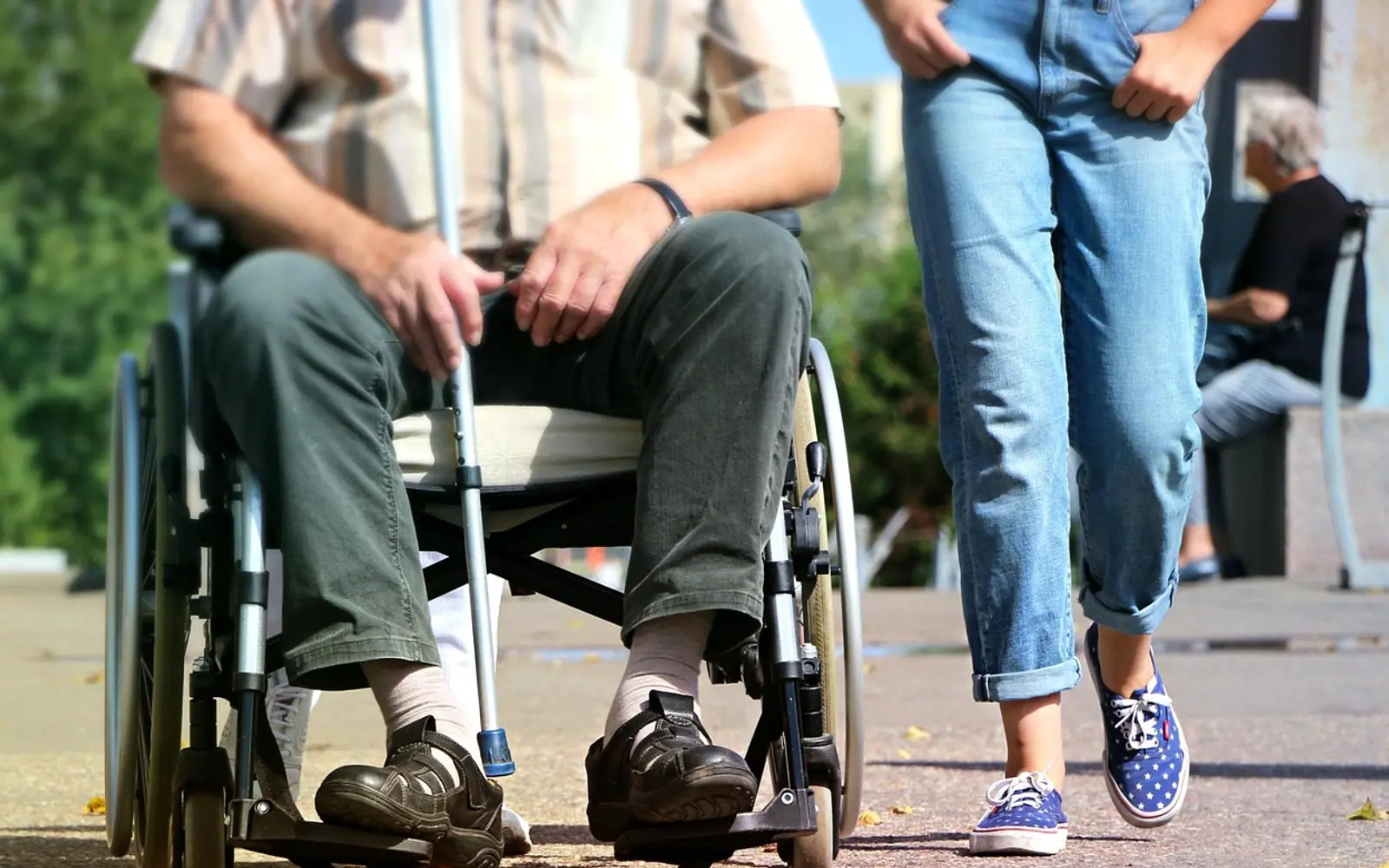
To walk with crutches, move both crutches forward a short step, bring the injured leg forward between them, then step through with your stronger leg while your hands take the weight. On stairs, the stronger leg leads going up, and the crutches and injured leg lead going down. Before any of that, the crutches need to be set to the right height, and you need to know how much weight the injured leg is allowed to take.
The team treating you should tell you how much weight can go through the injured leg. The terms you may hear are:
If nobody told you, ask before leaving hospital or phone the clinic. Too much load on a healing fracture or repair can undo progress.
Stand upright in your usual shoes. The top of each crutch should sit about two or three finger-widths below your armpit, and the hand grips should line up with your wrist crease when your arms hang down. Holding the grips, your elbows should bend slightly.
These are the more common type in the UK. Set the hand grip at wrist-crease height with your arms relaxed, and position the cuff on the forearm a little below the elbow so it does not dig in when the arm bends.
Your weight should go through your hands, never through your armpits. Leaning on the tops of underarm crutches can press on nerves and cause numbness in the arms.
Look ahead rather than at your feet, and keep steps short. Arms and shoulders tire quickly at first because they are doing unfamiliar work, so plan rests.
A handy memory aid is "up with the good, down with the bad".
Take one step at a time and have someone stand below you the first few times. If stairs feel unsafe, sitting down and shuffling up or down on your bottom is a perfectly sensible alternative. Where there are stairs at home, a physiotherapist will usually check your technique before discharge.
To sit, back up until you feel the chair against your legs, hold both crutches in one hand, reach for the armrest with the other and lower yourself slowly with the injured leg out in front. To stand, reverse it: shuffle forward, push up from the armrest, then take a crutch in each hand once you are steady.
More ideas for setting up the house are in recovering from knee surgery at home, and most of them apply to any leg injury.
As your leg gets stronger, you may be advised to drop to one crutch, held on the side opposite the injured leg, and later to a walking stick. The same principles carry over; see how to walk with a cane. If you are recovering from a fracture, how long a broken bone takes to heal explains why the timing differs from person to person.
Before your next appointment
Tick these off and you will get more out of a short consultation.
The bone may knit in weeks, but strength and movement take longer. Here are the stages of fracture healing, what affects the timeline and how food fits in.
A walking stick only helps if it is the right height and in the right hand. Here is how to set one up and the simple rhythm that makes walking steadier.
Most whiplash settles with simple self-care and gentle movement. Here is what helps in the first days, which exercises to try and which symptoms need urgent attention.