- Recovery
- 4 min
How Long Does a Broken Bone Take to Heal?
The bone may knit in weeks, but strength and movement take longer. Here are the stages of fracture healing, what affects the timeline and how food fits in.
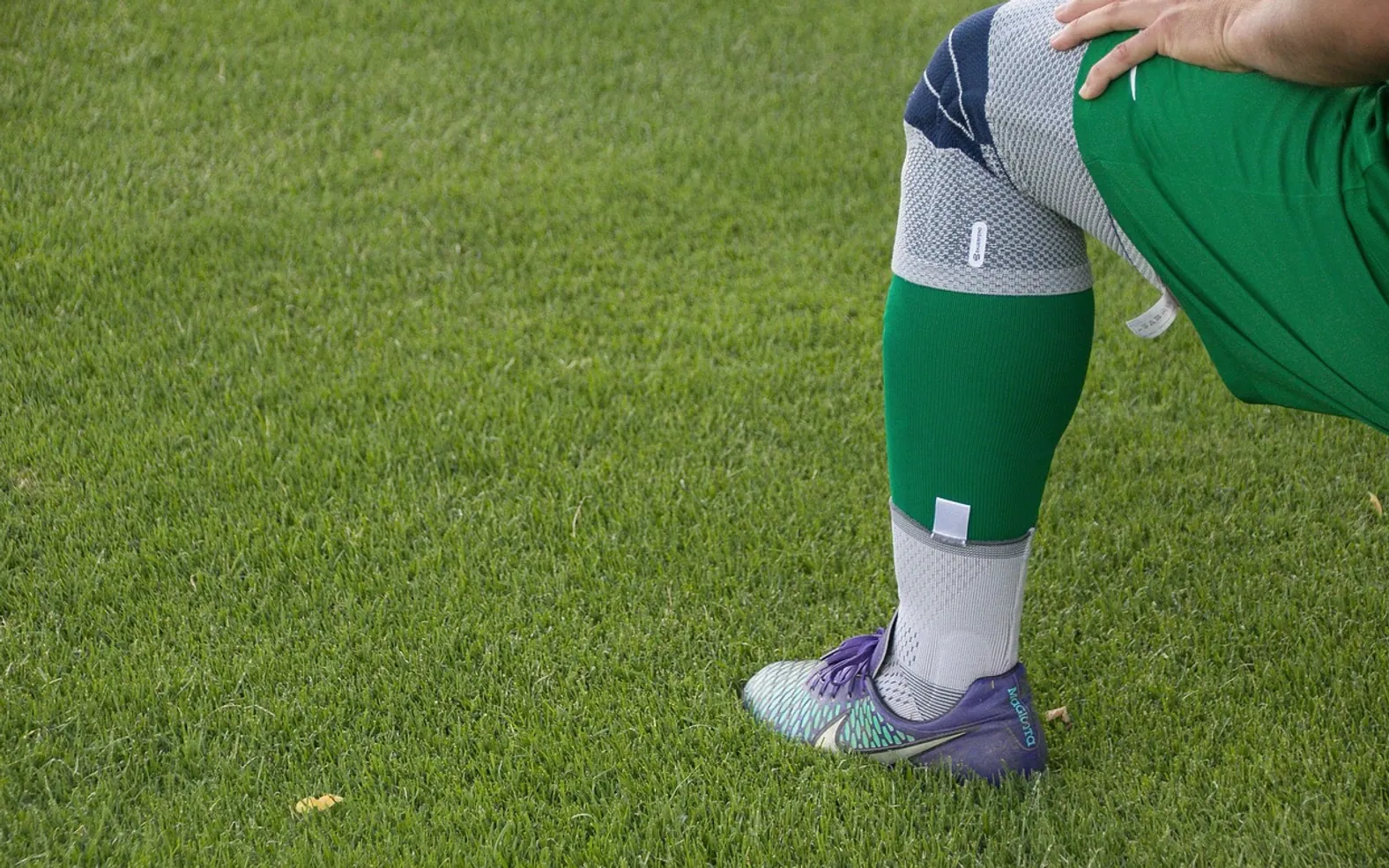
Coming home after knee surgery is a relief, but the first weeks can feel slow. Recovery depends on the type of operation and on you, so always follow your own surgical and physiotherapy team’s instructions. These practical tips sit alongside that advice.
Your physiotherapist will usually give you exercises to do several times a day. They may feel tiring or uncomfortable, but they are a key part of getting your knee moving and strong again. If an exercise causes sharp pain, stop and ask your physiotherapist.
Some swelling is common. Many teams suggest resting with your leg raised and using cold packs wrapped in a cloth for short periods — check what your own team recommends. Take pain relief as advised so you can move and do your exercises.
Short, frequent walks around the house often work better than one long effort. Our guide to pacing your return to everyday activity explains how to build up without overdoing it, and rest is part of the work covers sleep and downtime.
Improvement rarely follows a straight line. Some days will feel better than others. Keep track of small wins, and talk to your team if you feel stuck.
Before your next appointment
Tick these off and you will get more out of a short consultation.
The bone may knit in weeks, but strength and movement take longer. Here are the stages of fracture healing, what affects the timeline and how food fits in.
A walking stick only helps if it is the right height and in the right hand. Here is how to set one up and the simple rhythm that makes walking steadier.
Crutches feel awkward for the first day or two. Here is how to set them up, the walking patterns for different weight limits and a safe way to tackle stairs.