- Fitness
- 4 min
Physical Therapy Band Exercises: A Gentle Starter Set for Home
Stretchy rehab bands add light, adjustable resistance to recovery exercises. Here is how to choose one, set it up safely and work through a simple eight-move routine.
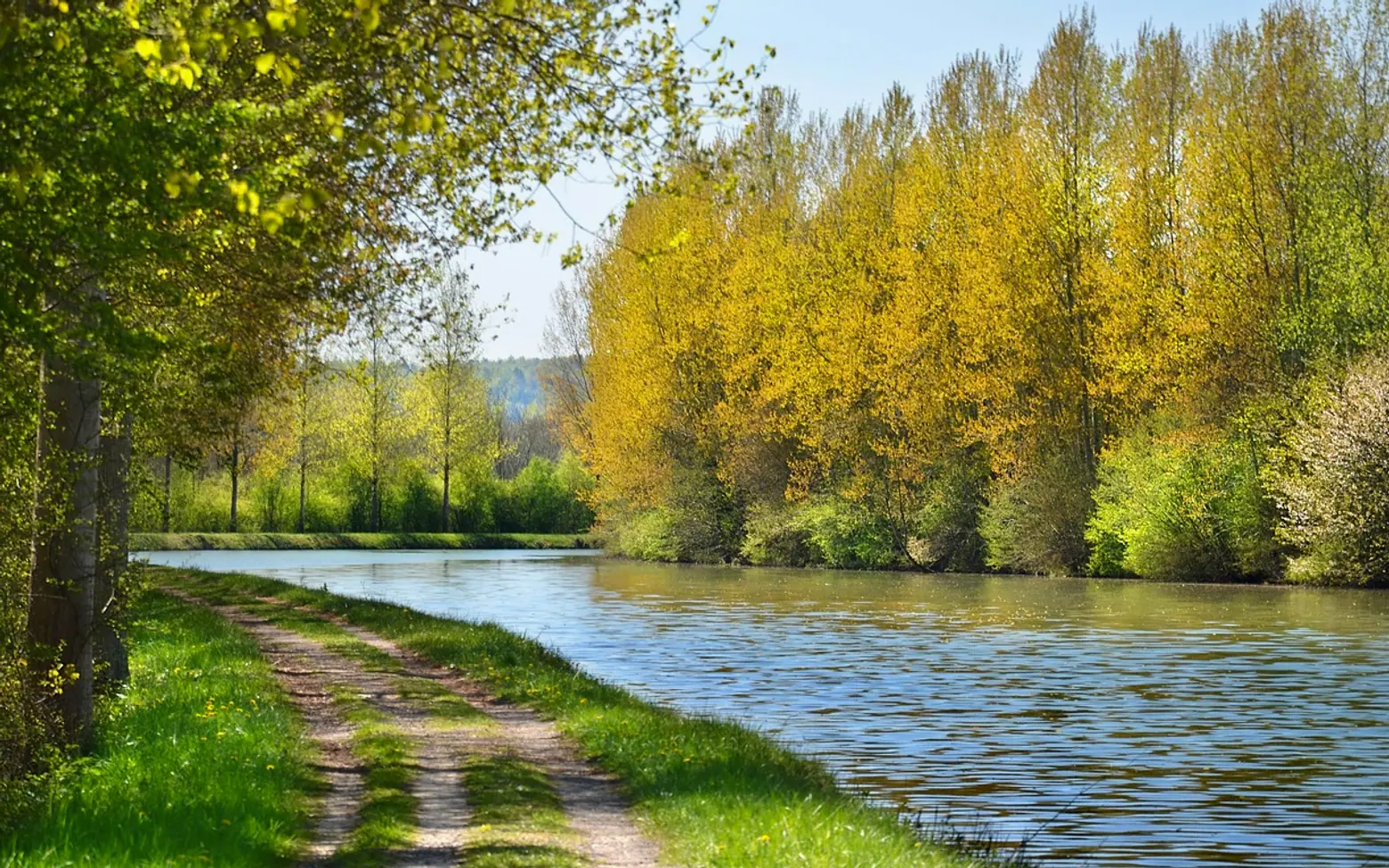
Cycling in Seoul is easiest on the long riverside paths along the Han and the smaller streams that feed it, where bikes have their own lanes away from traffic. Visitors can borrow a bike through the city's public bike-share scheme using a phone app, ride at a comfortable effort, stop often and drop the bike at any docking station. Wear a helmet, keep to the cycle lane, and treat the ride as a pleasant way to see the city rather than a workout to push through, especially if you are still rebuilding strength after an injury.
Seoul runs a public bike-share system with docking stations spread across the city, many of them near subway exits and along the river parks. The details change from time to time, so check the current terms in the app before you set off, but the general pattern is simple:
Shared bikes are sturdy and upright: stable at low speed, slow on climbs, so plan a mostly flat route.
The Han River cuts through the middle of Seoul, and both banks are lined with parks connected by long cycle paths. The surface is generally smooth, the gradient gentle, and there are toilets, benches, water and convenience stores at the riverside parks along the way. Bike lanes are usually marked separately from walking lanes; keep to your side and expect joggers, families and other riders.
Several tributary streams have their own paths that join the river, so you can ride inland through quieter neighbourhoods and come back to the Han. These stream routes are narrower and busier with walkers in places, so slow down where the path shrinks or passes under bridges.
| If you are… | A sensible plan |
|---|---|
| New to cycling or returning after time off | A short out-and-back stretch along one riverside park, turning round while you still feel fresh |
| Comfortable on a bike but not training | A loop that links two parks with a long rest in the middle |
| Recovering from an injury or operation | Clear it with your GP or physiotherapist first, then keep rides short and flat, and stop at the first sign of pain |
| Riding with children or older relatives | The widest, quietest sections, off-peak, with frequent breaks |
Wear a helmet. Shared bikes do not always come with one, so it is worth bringing your own or checking whether helmets are offered near the dock you use. Rules around helmets and riding on pavements can change, so look up the current local guidance rather than relying on habits from home. Beyond that, a few basics go a long way:
If you have been in a road accident before, getting back on a bike in an unfamiliar city can feel unsettling. Riding first on a car-free path, at quiet times, is a gentle way to rebuild confidence, and there is no shame in walking the bike for any stretch that feels too busy.
A useful check is the talk test: you should be able to hold a conversation while you ride. If you are too breathless to speak in full sentences, ease off. Heat, humidity and a heavy bike all add effort, so a pace that feels easy at home may feel harder here. Our guide to pacing your return to everyday activity after an injury explains how to build up gradually without the boom-and-bust pattern of overdoing one day and paying for it the next.
More often than you think you need to. A short break every so often lets you drink, stretch your back and wrists, and notice how your knees and hips feel. The riverside parks make this easy: there is nearly always shade, a bench and somewhere to buy water within a short ride. Drink before you feel thirsty, particularly on warm days, and see our notes on staying hydrated in everyday life if you are unsure how much to carry.
Stop, dock the bike and take public transport back. Sharp pain, numbness, chest discomfort or dizziness are signs to stop riding altogether and seek medical help if they do not settle quickly. Mild muscle tiredness the next day is normal; pain that lingers or gets worse is worth mentioning to a doctor.
Once you have returned the bike, give your body time to come down from the ride. A shower, a snack with some protein and carbohydrate, and a sit-down with your feet up all help before you head out again.
A relaxed evening works better than a late, demanding one after a day of riding. Many visitors pick an early dinner and a low-key activity where they can sit when they want to. If a group would rather sing than linger over a meal, the Gangnam Karaoke Guide explains how private karaoke rooms in that district work, which makes it easier to plan an evening around tired legs. If drinks are part of the night, keep them modest and leave the bike in its dock: cycling and alcohol do not mix.
Keep the ride in proportion: a few easy hours beside the river should leave you with energy for the evening and for riding again tomorrow.
Before your next appointment
Tick these off and you will get more out of a short consultation.
Stretchy rehab bands add light, adjustable resistance to recovery exercises. Here is how to choose one, set it up safely and work through a simple eight-move routine.
The leg extension isolates the front of the thigh like few other exercises. Here is how it works, how to use it well and where it fits in a sensible leg routine.
Ten minutes of gentle movement can ease stiffness and help you feel more at home in your body. No equipment, no pressure.