- Recovery
- 4 min
How Long Does a Broken Bone Take to Heal?
The bone may knit in weeks, but strength and movement take longer. Here are the stages of fracture healing, what affects the timeline and how food fits in.
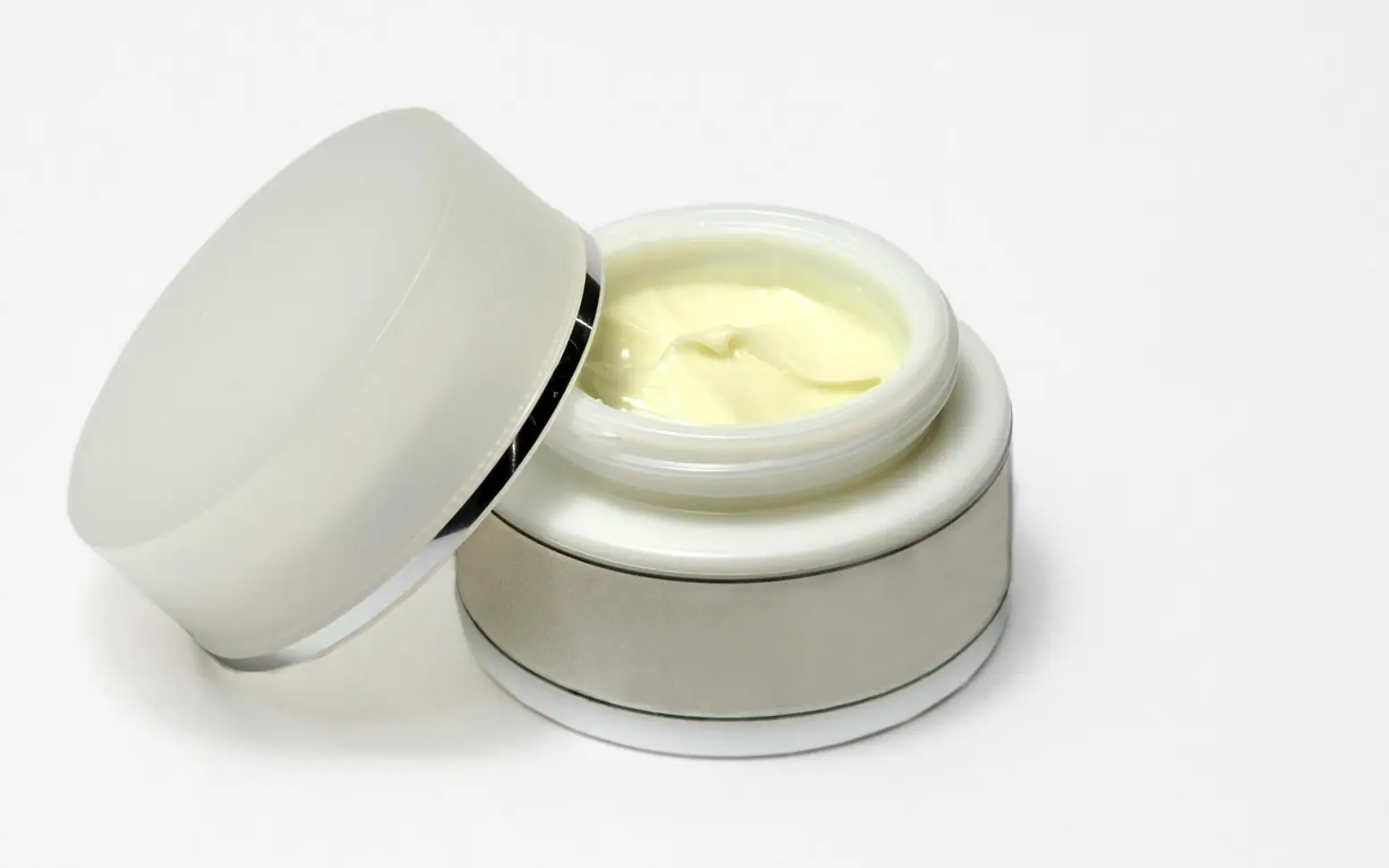
Scar massage means pressing and moving the skin over a healed wound with your fingertips, usually with a plain moisturiser, for a few minutes several times a day. It is often recommended to keep a scar soft and flexible, ease tightness or itching, and stop it sticking to the tissue underneath. The key word is healed: massage only begins once the wound has fully closed and your surgeon, nurse or physiotherapist says it is safe.
When skin repairs itself, the body lays down collagen fibres quickly, and not always in a tidy pattern. The new tissue can be thicker, less stretchy and more sensitive than the skin around it. Over many months, a scar usually flattens and fades as it remodels. Massage is thought to help by keeping the area moving and supple and by gradually reducing sensitivity, although how much difference it makes varies from person to person.
Scars near joints, such as after knee, hand or shoulder surgery, can also limit movement if they tighten. That is one reason physiotherapists often add scar care to rehabilitation after operations like those described in recovering from knee surgery at home.
Timing depends on the wound and on the advice you have been given, but these are the general signs that massage may be possible:
For many surgical scars this point arrives a few weeks after the operation, but it can take longer. If the wound is slow to close, that needs attention first; slow wound healing covers the usual culprits.
New scars can darken if they catch the sun. Cover them with clothing or use a high-factor sunscreen once the skin has healed, for as long as the scar still looks pink or red.
Dry scar tissue can itch and crack. Moisturising between massage sessions keeps it comfortable.
Silicone gels and sheets are widely used on healed scars. A pharmacist or your care team can say whether they suit your scar and how long to wear them.
If the scar crosses a joint, the movement exercises you have been given matter as much as the massage.
Some scars feel so sensitive that clothing brushing against them is irritating. Gradually exposing the area to different textures can help: start with something soft such as a cotton wool ball or a silk scarf, move on to a towel, then to a slightly rougher fabric, a few minutes at a time. Stay at the level that feels tolerable and progress over days rather than in a single session.
Pause massage and contact your GP, practice nurse or surgical team if you notice:
Scars keep changing for many months. People often carry on for as long as the scar feels tight, raised or sensitive, then taper off as it softens. A physiotherapist can advise for your situation.
The cream matters less than the movement. A simple, fragrance-free moisturiser is usually fine. Avoid anything that stings, and test new products on a small patch first.
No. Scars are permanent, although most fade considerably with time. Massage aims to make the scar more comfortable and flexible, not to erase it. For a wider picture of the weeks after an operation, see enhanced recovery after surgery.
Before your next appointment
Tick these off and you will get more out of a short consultation.
The bone may knit in weeks, but strength and movement take longer. Here are the stages of fracture healing, what affects the timeline and how food fits in.
A walking stick only helps if it is the right height and in the right hand. Here is how to set one up and the simple rhythm that makes walking steadier.
Crutches feel awkward for the first day or two. Here is how to set them up, the walking patterns for different weight limits and a safe way to tackle stairs.