- Recovery
- 4 min
How Long Does a Broken Bone Take to Heal?
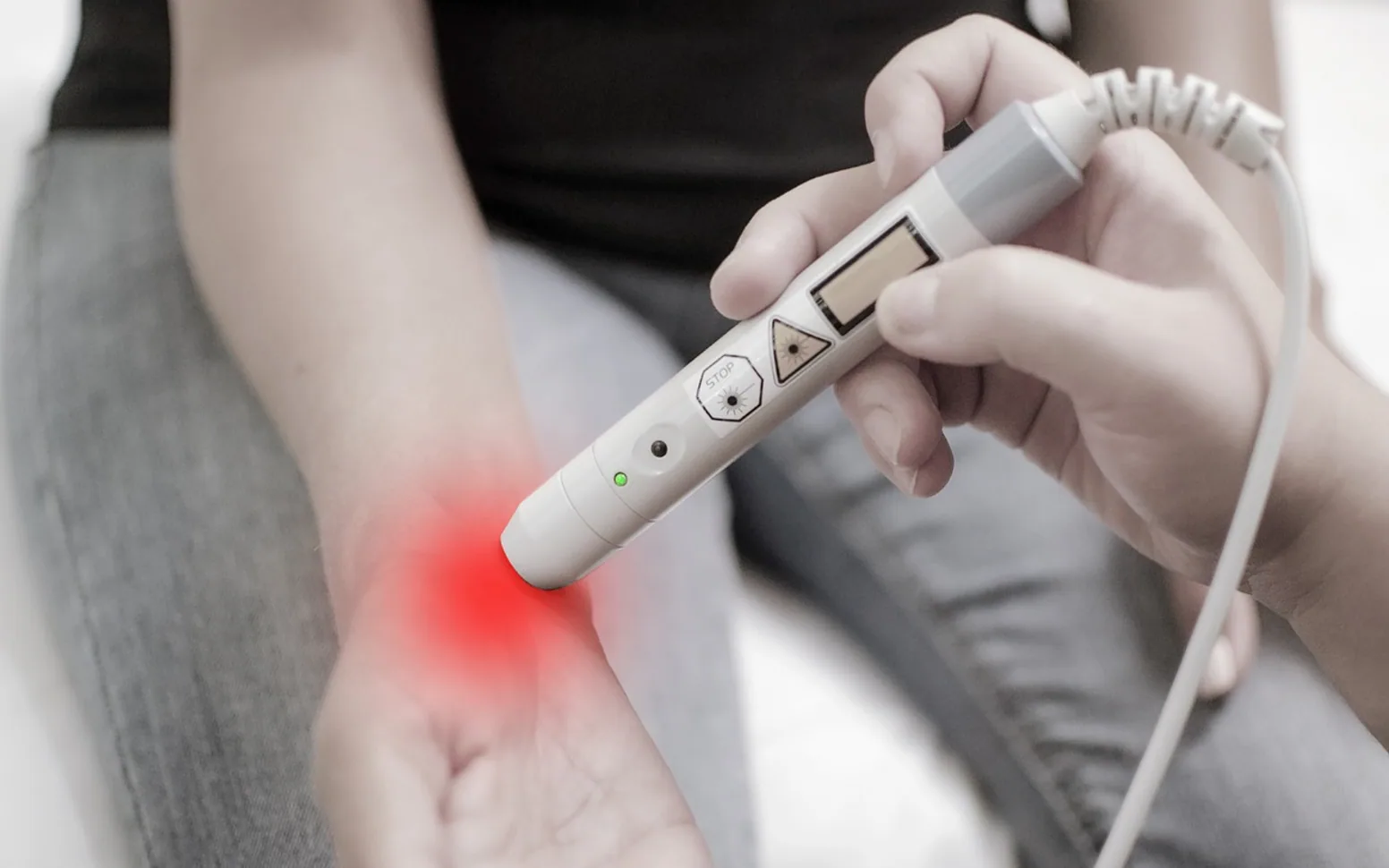
The bone may knit in weeks, but strength and movement take longer. Here are the stages of fracture healing, what affects the timeline and how food fits in.

After weeks or months away, the thought of going back to work can bring a mix of relief and dread. Will you cope with the commute? What will colleagues say? Have things changed? These worries are normal, and a little planning can make the return much smoother.
A conversation before your first day helps everyone. You might discuss how you are feeling, what you can manage at first, and any changes that would help. You don’t have to share every medical detail — only what you are comfortable with and what is relevant to your work.
In the UK, a fit note from your GP or another healthcare professional can say that you “may be fit for work” with some changes, such as a phased return, altered hours or different duties. Ask what would suit your situation.
Starting with shorter days or fewer days a week and building up gradually lets you test your energy without burning out. The same principles as pacing your return to everyday activity apply here.
Plan your first day: the journey, what to wear, who you will see first. Prepare a short, simple answer for when colleagues ask how you are. Keep a note of each small win in the first weeks — it is easy to overlook progress.
If symptoms return or you are struggling, talk to your manager, occupational health team (if your workplace has one) or GP. Adjusting the plan is not a failure; it is part of getting it right.
Before your next appointment
Tick these off and you will get more out of a short consultation.
The bone may knit in weeks, but strength and movement take longer. Here are the stages of fracture healing, what affects the timeline and how food fits in.
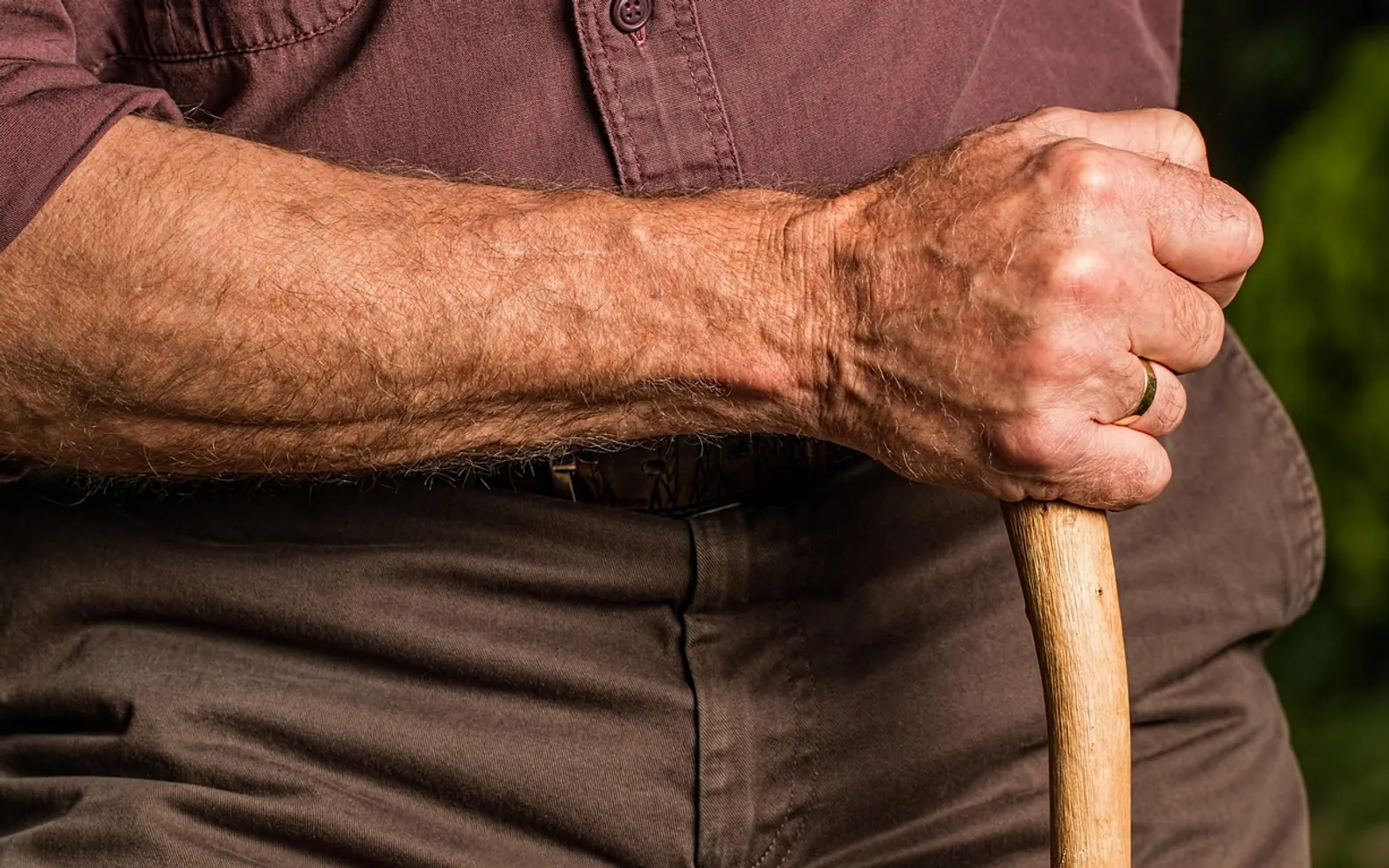
A walking stick only helps if it is the right height and in the right hand. Here is how to set one up and the simple rhythm that makes walking steadier.
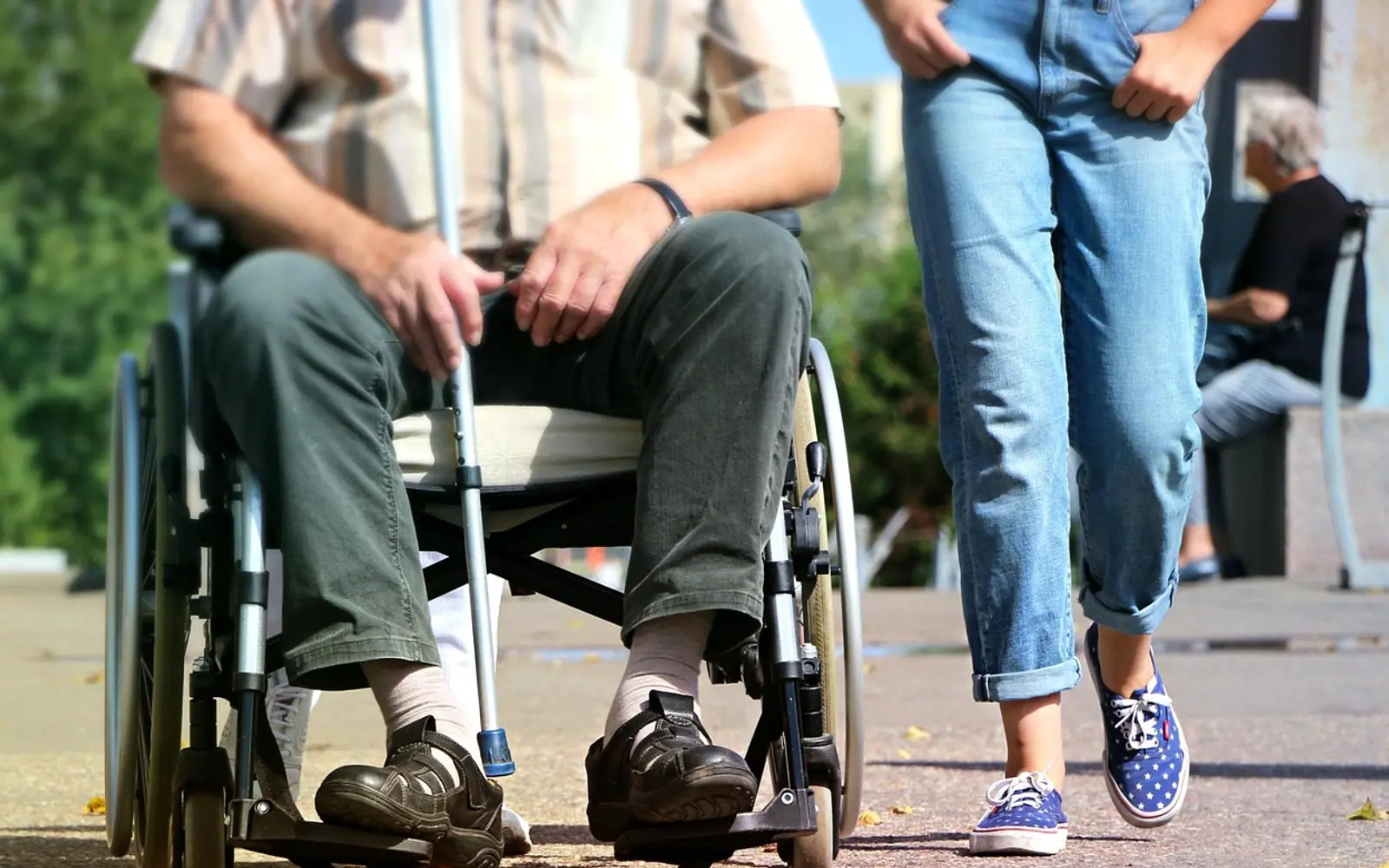
Crutches feel awkward for the first day or two. Here is how to set them up, the walking patterns for different weight limits and a safe way to tackle stairs.