- Nutrition
- 4 min
Slow Wound Healing: What Holds It Back and What Helps
When a cut or surgical wound lingers, something is usually holding it back. Here are the common causes, the food basics that support repair and when to get it seen.
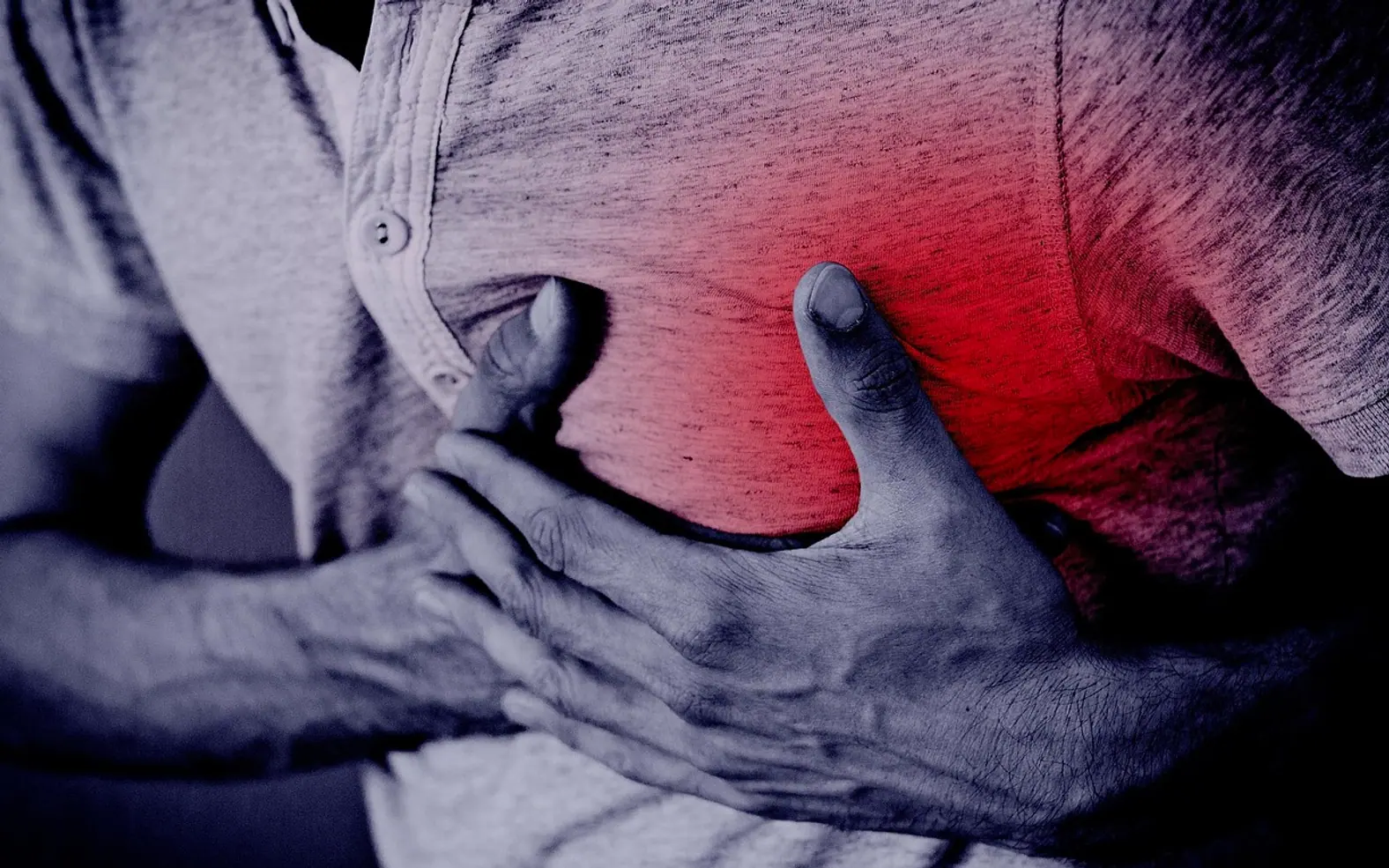
Bruised and broken ribs cause very similar symptoms: pain when breathing in deeply, coughing, laughing or twisting, tenderness over one spot, and sometimes swelling or bruising on the skin. Most simple rib injuries heal by themselves over several weeks with pain relief and rest, and the care is much the same either way. The two things that matter most are breathing deeply despite the discomfort and knowing which warning signs need urgent help.
Ribs are commonly hurt by a direct blow: a fall onto furniture or a kerb, a tackle in contact sport, or the seat belt or steering wheel in a car collision. Seat belts save lives, but the sudden force across the chest can leave a diagonal bruise along the line of the belt and sore ribs beneath it. Violent coughing fits can occasionally strain or crack a rib as well.
| Sign | Bruised rib | Broken (fractured) rib |
|---|---|---|
| Pain on breathing, coughing or moving | Common | Common, often sharper |
| Tenderness when pressed | Yes | Yes, often at one exact point |
| Visible bruising or swelling | Possible | Possible |
| Crackling or grinding sensation | Unusual | Sometimes |
| Usual treatment | Pain relief, rest, breathing exercises | Usually the same, unless there are complications |
Because the care is so similar, an X-ray is not always needed for a simple rib injury. A doctor decides based on how it happened, how you are breathing and what the examination shows.
Call 999 or go to A&E if, after a chest injury, you have:
Contact your GP or NHS 111 if, in the days that follow, you develop a fever, a cough bringing up yellow or green phlegm, or pain that is worsening rather than easing. These can point to a chest infection, the main complication when shallow breathing lets mucus collect. For help deciding between services, see urgent or emergency care.
Rib injuries generally take several weeks to heal, and a fracture often takes longer than a bruise. Pain tends to be at its worst early on and then eases gradually. Twinges when you sneeze or roll over can linger after you otherwise feel back to normal. If the pain is not improving at all after a few weeks, it is worth asking for a review.
This is the single most useful thing you can do. Every hour or so while awake, take several slow, deep breaths that expand the lower chest, then give a gentle cough. Hugging a folded towel or pillow against the sore side makes coughing more bearable.
Pain control is not only about comfort; it is what allows deep breaths and gentle walking. Ask a pharmacist which painkillers suit you and how to take them.
A wrapped ice pack for short spells in the first couple of days can ease soreness. Never put ice directly on the skin.
Binding the ribs tightly used to be common, but it restricts breathing and is no longer advised for simple rib injuries.
Short walks around the house keep the lungs working. Avoid heavy lifting, contact sport and strenuous exercise until the pain has settled.
Smoking raises the chance of a chest infection while the ribs are mending.
Night-time is often the hardest part. Things that can make it easier:
Broken sleep slows everything down; rest is part of the work has more on protecting sleep while you recover.
Ease back into work, driving and exercise as the pain allows. Driving is only safe once you can turn, brake hard and wear a seat belt without being distracted by pain. If you were hurt in a collision, other aches can surface in the following days; aches and pains after a car accident covers what to watch for.
Before your next appointment
Tick these off and you will get more out of a short consultation.
When a cut or surgical wound lingers, something is usually holding it back. Here are the common causes, the food basics that support repair and when to get it seen.
Feeling fine at the roadside and stiff the next morning is common. Here is what people often notice, which signs need urgent care, and when to see your GP.
Being the person who comes along to an appointment is a valuable role. Here is how to help without taking over.