- Nutrition
- 4 min
Slow Wound Healing: What Holds It Back and What Helps
When a cut or surgical wound lingers, something is usually holding it back. Here are the common causes, the food basics that support repair and when to get it seen.
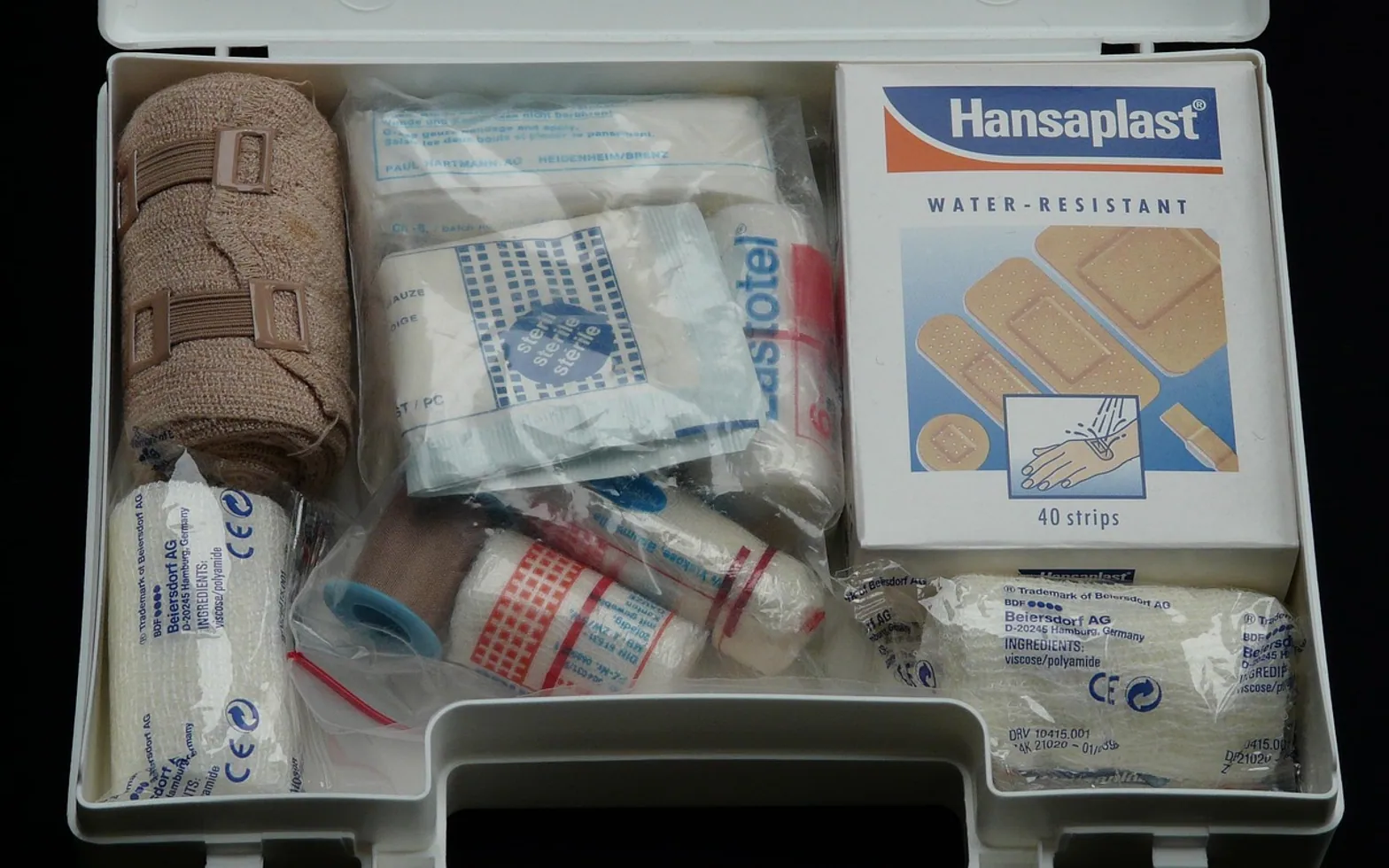
Most household mishaps are minor: a cut finger while cooking, a grazed knee in the garden, a splinter or a mild burn. Having a few basic supplies in one place means you can deal with these calmly instead of rummaging through drawers. A home first-aid kit does not need to be elaborate, but it should be easy to find, well stocked and checked from time to time.
A simple kit for most homes might include:
You may also want to keep some basic medicines nearby, such as paracetamol or ibuprofen for pain and fever, antihistamines for mild allergic reactions, and a soothing cream for bites and stings. Always follow the instructions on the packet, check they are suitable for each person in the household, and ask a pharmacist if you are unsure, particularly for children, during pregnancy or alongside other medication.
Think about the needs of the people in your home. If someone has a known severe allergy, make sure everyone knows where their prescribed adrenaline auto-injector is kept and how to use it. If someone uses an inhaler, keep a spare where it can be reached quickly. A list of each person's medicines and any medical conditions, along with your GP's phone number, can be very helpful in an emergency.
Store the kit somewhere cool and dry, out of reach of young children but easy for adults to grab in a hurry. Kitchens and bathrooms are common choices, although steam in bathrooms can damage some items. Make sure everyone in the house knows where it is. A smaller kit in the car and in a bag for days out can also be useful.
Every few months, have a quick look through the kit. Replace anything that has been used, throw away out-of-date medicines safely (many pharmacies will take them back), and check that packaging is still sealed. It is easy to use the last plaster and forget to replace it until the next time you need one.
Supplies are useful, but knowing what to do matters just as much. A basic first-aid course, offered by organisations such as the British Red Cross and St John Ambulance, teaches skills like how to stop bleeding, how to help someone who is choking and how to put someone in the recovery position. Many offer short sessions and online resources.
A first-aid kit is for minor injuries. If someone has severe bleeding, difficulty breathing, chest pain, signs of a stroke, a serious head injury or has collapsed, call 999 straight away. For urgent problems that are not life-threatening, NHS 111 can advise you on what to do and where to go.
Putting together a kit takes an hour and costs relatively little. It is one of those jobs that is easy to put off, but on the day someone needs a plaster, a bandage or a cool dressing for a burn, you will be glad it is there.
Before your next appointment
Tick these off and you will get more out of a short consultation.
When a cut or surgical wound lingers, something is usually holding it back. Here are the common causes, the food basics that support repair and when to get it seen.
Sore ribs after a fall or seat-belt jolt make every breath hurt. Here is how bruised and broken ribs differ, how they heal and how to rest more comfortably.
Feeling fine at the roadside and stiff the next morning is common. Here is what people often notice, which signs need urgent care, and when to see your GP.