- Fitness
- 4 min
Physical Therapy Band Exercises: A Gentle Starter Set for Home
Stretchy rehab bands add light, adjustable resistance to recovery exercises. Here is how to choose one, set it up safely and work through a simple eight-move routine.
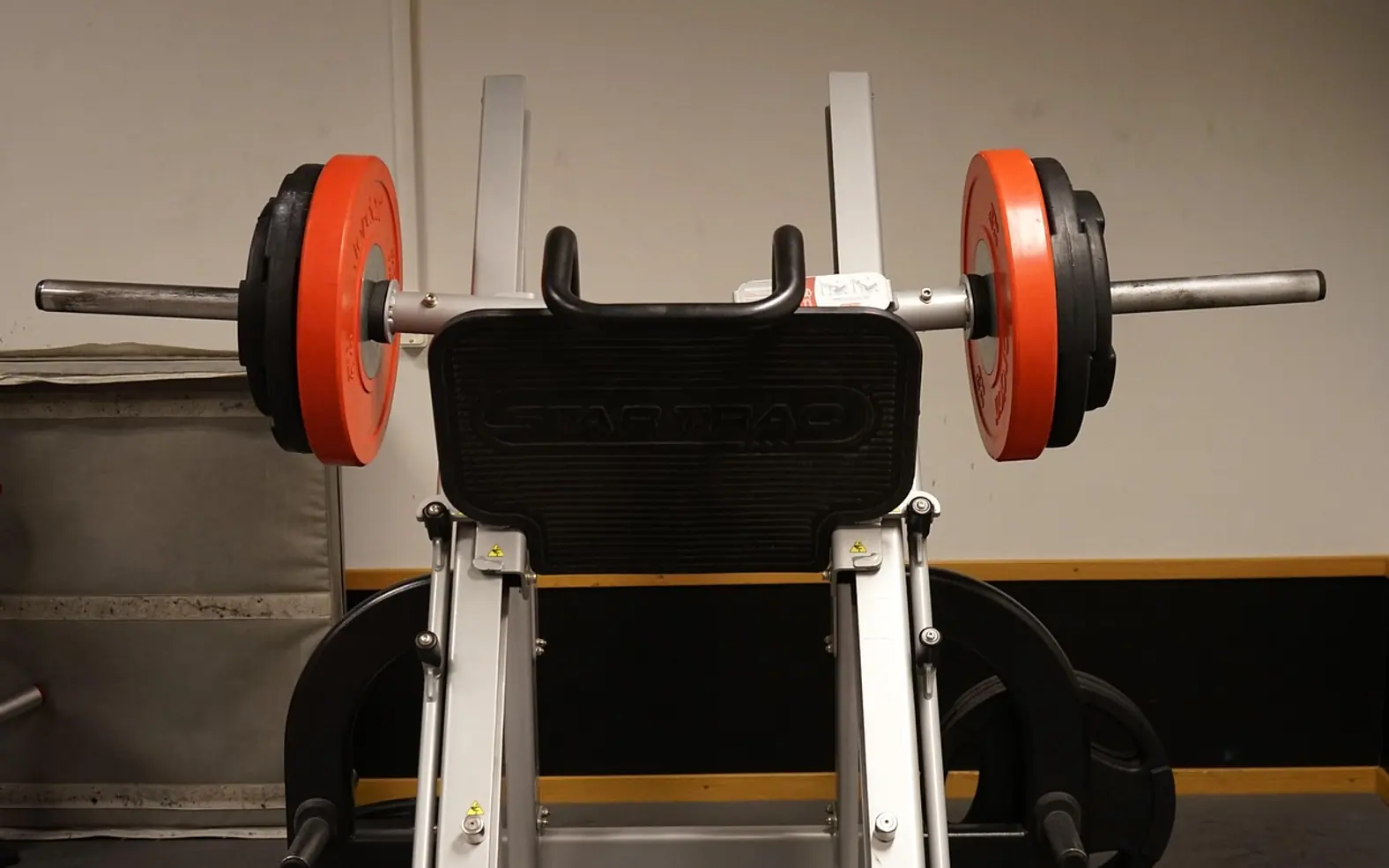
Walk into almost any gym and you will find a leg extension machine: a padded seat, a backrest and a roller pad that sits against the front of your ankles. It looks simple, and it is — which is exactly why it is popular with bodybuilders chasing bigger thighs and with people rebuilding strength after time off their feet.
A leg extension trains one movement: straightening the knee against resistance while you sit. Because your hips and upper body stay still, almost all of the work falls on the quadriceps, the large group of muscles at the front of the thigh. Few other exercises target them so directly.
Most people who build well-developed legs combine it with squats, lunges, leg presses and hamstring work, rather than relying on it alone.
Because it isolates the thigh, versions of this exercise sometimes appear in rehabilitation programmes. That doesn’t mean the machine is right for everyone at every stage — some knee conditions and operations call for different exercises or limited ranges of movement. If you are recovering, check with your physiotherapist or surgical team before using it, and build up gently, as described in our guide to pacing your return to activity. Our gentle mobility routine is a softer place to start.
Strong legs come from consistency: two or three sessions a week, a mix of exercises, enough rest and enough food. The leg extension is a useful tool in that mix — just not the whole story.
For more practical guidance on getting stronger, recovering well and looking after yourself along the way, explore the latest articles on the Crash Survivors Network homepage.
Before your next appointment
Tick these off and you will get more out of a short consultation.
Stretchy rehab bands add light, adjustable resistance to recovery exercises. Here is how to choose one, set it up safely and work through a simple eight-move routine.
Ten minutes of gentle movement can ease stiffness and help you feel more at home in your body. No equipment, no pressure.
Male enhancement products are marketed relentlessly, from late-night adverts to sponsored posts that seem to know exactly when someone is feeling low. Their message is rarely subtle: you are not quite enough,…