- Recovery
- 4 min
How Long Does a Broken Bone Take to Heal?
The bone may knit in weeks, but strength and movement take longer. Here are the stages of fracture healing, what affects the timeline and how food fits in.
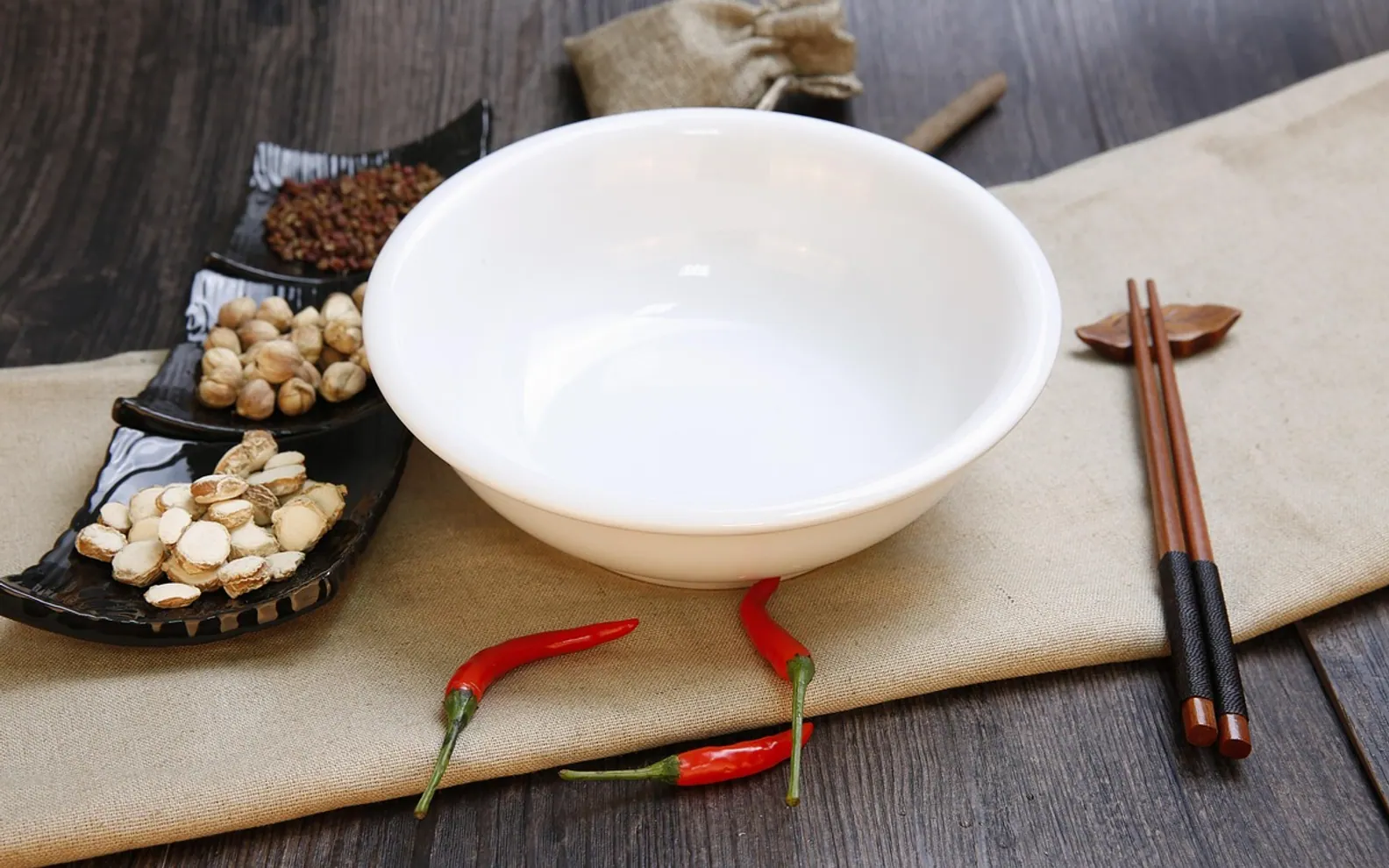
After an injury, operation or illness, the body has extra work to do. Repairing tissue, fighting infection and rebuilding strength all take energy and nutrients. At the same time, appetite is often poor, moving around may be difficult and cooking can feel like a challenge. Eating well during recovery does not have to be complicated, but a little attention to food can help support the healing process. This is general information; if you have specific dietary needs, follow the advice of your medical team or a registered dietitian.
Healing needs fuel. If you are eating much less than usual, your body may not have the energy it needs to repair itself. During recovery, regular meals and snacks are more important than worrying about weight loss, unless you have been specifically advised otherwise.
Protein helps the body repair muscles, skin and other tissues. Good sources include:
Trying to include a source of protein at each meal and in some snacks is a simple, practical approach.
Fruit and vegetables provide a range of vitamins and minerals, including vitamin C, which plays a role in normal wound healing and immune function. Frozen and tinned options are just as useful as fresh and easier to keep on hand.
Staying hydrated supports circulation, digestion and energy. Keeping a drink within reach is helpful, especially if getting up is difficult. Some pain medicines can cause constipation, so fluids and fibre from wholegrains, fruit and vegetables can help.
It is common not to feel like eating during recovery. Some ideas that may help:
If your appetite stays poor for more than a few days, or you are losing weight without trying, mention it to your GP or care team. They may suggest a referral to a dietitian or recommend nutritional supplements.
It can be tempting to buy supplements that claim to speed healing. For most people, a varied diet provides what they need, and high-dose supplements are not always helpful and can occasionally interact with medicines. Talk to your doctor or pharmacist before starting any new supplement, especially if you are taking prescribed medication.
Friends and family often want to help but do not know how. Asking someone to cook a meal, do a supermarket shop or batch cook for your freezer is a practical way to let them support you.
Recovery is not the time for strict diets. Eating regularly, including protein and plenty of fruit and vegetables, and staying hydrated gives your body what it needs to do its work. Small, steady steps are enough.
Before your next appointment
Tick these off and you will get more out of a short consultation.
The bone may knit in weeks, but strength and movement take longer. Here are the stages of fracture healing, what affects the timeline and how food fits in.
When a cut or surgical wound lingers, something is usually holding it back. Here are the common causes, the food basics that support repair and when to get it seen.
You do not need an app or a spreadsheet to eat a balanced diet. Thinking about the make-up of your plate is a simpler place to start.