- Recovery
- 4 min
How Long Does a Broken Bone Take to Heal?
The bone may knit in weeks, but strength and movement take longer. Here are the stages of fracture healing, what affects the timeline and how food fits in.
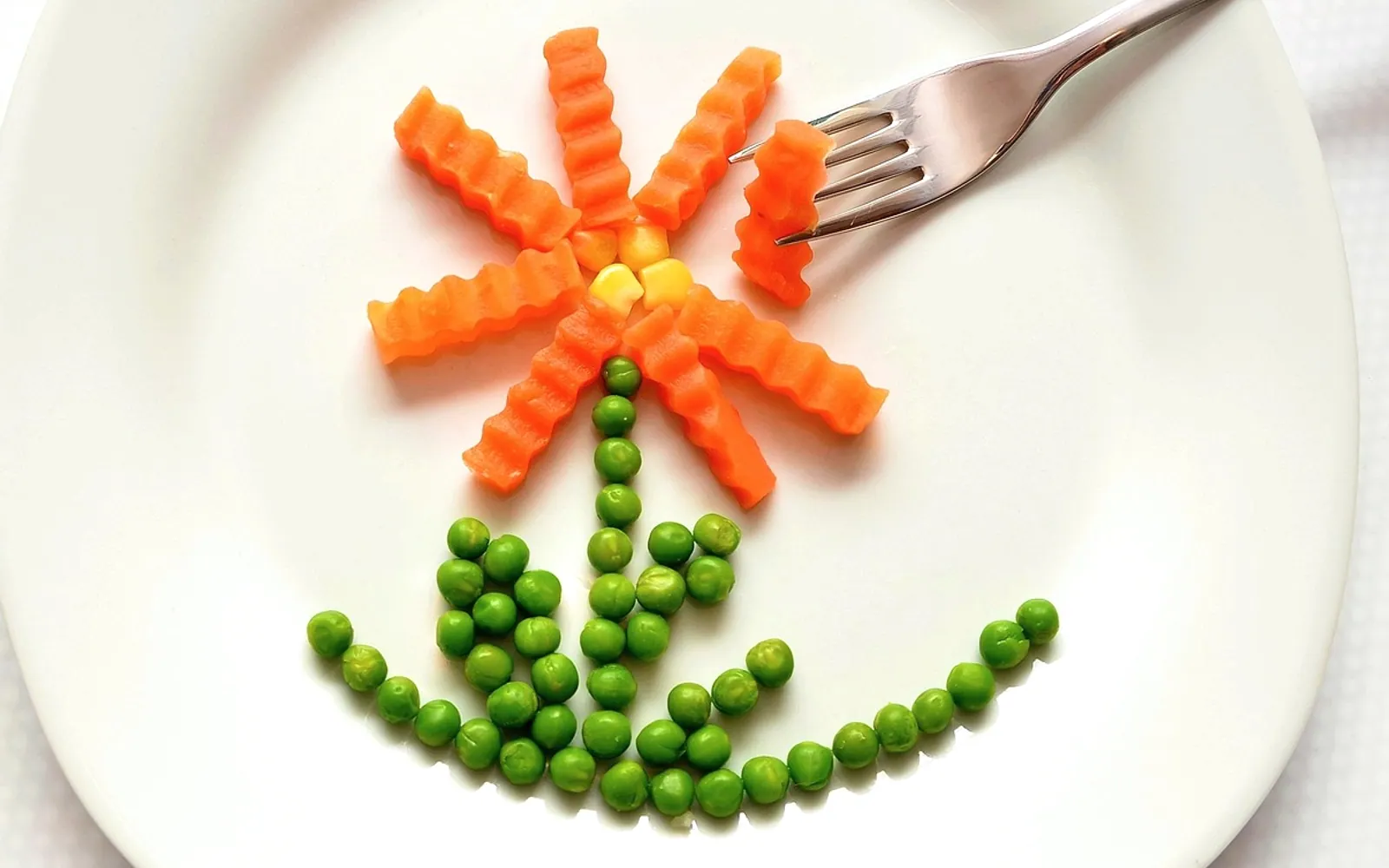
Healthy eating advice can feel overwhelming. There are apps to track every mouthful, articles warning about one food or another, and a constant stream of new diets. For most people, a simpler approach works just as well and is much easier to stick with: thinking about the overall balance of what is on your plate.
Rather than counting numbers, picture your plate divided into sections. A broadly balanced meal includes:
This reflects the general shape of UK healthy eating guidance. It is a guide across the day or the week rather than a rule for every single meal.
Many people find it helpful to start by filling part of the plate with vegetables. Fresh, frozen and tinned all count. Adding an extra handful of vegetables to sauces, soups and stews, or having fruit with breakfast, is an easy way to increase variety without much effort.
Wholemeal bread, brown rice, wholewheat pasta, oats and potatoes with their skins on provide energy and fibre, which supports digestion and helps you feel full for longer. Swapping to higher-fibre versions of foods you already enjoy is often easier than trying something completely new.
Protein helps the body build and repair tissue. Pulses such as beans, chickpeas and lentils are inexpensive, high in fibre and easy to add to meals. Aim to include fish regularly, and if you eat red or processed meat, it is generally suggested to keep the amounts moderate.
Portion sizes vary from person to person, depending on age, size, activity levels and health. Eating slowly, noticing when you feel comfortably full and not feeling you must always clear your plate can help you find what is right for you.
There is room for treats, takeaways and celebration meals in a balanced diet. What matters most is the overall pattern over time, not any single meal.
If you have a medical condition, are recovering from surgery or illness, are pregnant, or have specific goals around weight, talk to your GP or a registered dietitian. They can help adapt general guidance to your needs.
A balanced plate is a flexible, realistic way to eat well without constant counting. Over time, it becomes second nature, leaving you more time to enjoy your food.
Before your next appointment
Tick these off and you will get more out of a short consultation.
The bone may knit in weeks, but strength and movement take longer. Here are the stages of fracture healing, what affects the timeline and how food fits in.
When a cut or surgical wound lingers, something is usually holding it back. Here are the common causes, the food basics that support repair and when to get it seen.
The body needs fuel and building blocks to repair itself. A few practical food habits can support recovery after injury, surgery or illness.