- Recovery
- 4 min
How Long Does a Broken Bone Take to Heal?
The bone may knit in weeks, but strength and movement take longer. Here are the stages of fracture healing, what affects the timeline and how food fits in.
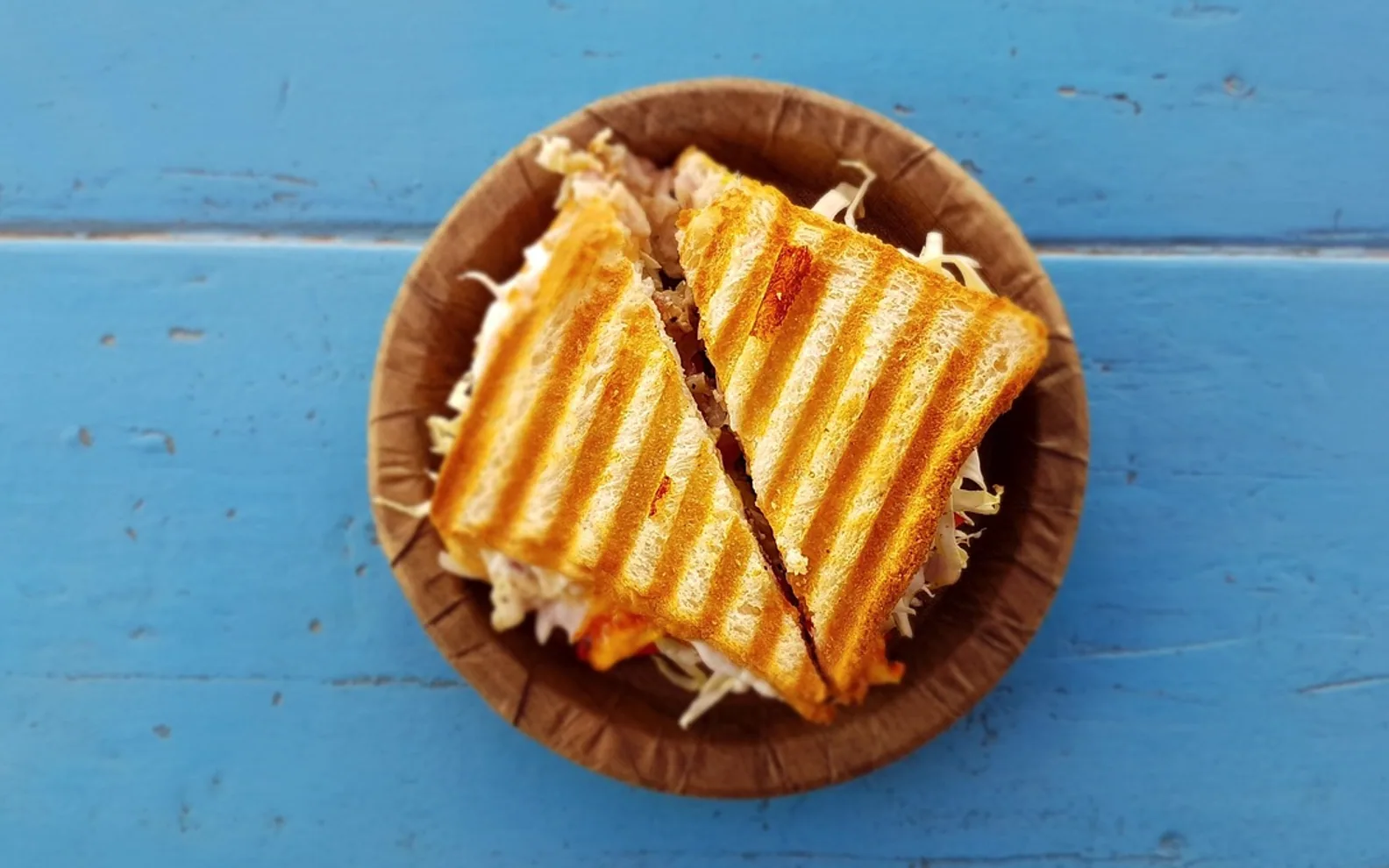
There are times when standing at the hob, chopping vegetables and washing up afterwards feels like far too much. Recovering from an injury or illness, living with pain or fatigue, caring for someone else or just getting through a tough week can all drain the energy needed to cook. It is easy to slide into skipping meals or relying on whatever is quickest. With a little planning, though, it is possible to eat reasonably well without much effort.
A nourishing meal does not have to be a home-cooked feast. Beans on wholemeal toast, a jacket potato with tuna and sweetcorn, or yoghurt with fruit and a handful of oats can all be part of a balanced diet. Give yourself permission to keep things simple. Eating something reasonably balanced is far better than eating nothing because a "proper" meal felt impossible.
Some foods take the hard work out of eating well:
Keeping a few of these in the cupboard, fridge and freezer means there is always something quick to put together.
On a day when you have more energy, make a larger batch of something simple, such as a soup, chilli, stew or pasta sauce, and freeze portions in labelled containers. Future you will be grateful. If friends or family offer to help, a home-cooked meal for the freezer is one of the most useful things they can bring.
Small changes can save energy. Sit on a stool while preparing food. Keep frequently used items within easy reach. Use one-pan recipes or a slow cooker to cut down on washing up. Line baking trays with foil or paper. If gripping or chopping is difficult because of an injury, kitchen gadgets and ready-prepared ingredients can help.
There is no shame in using supermarket deliveries, ready meals or meal delivery services for a while. Many ready meals can fit into a balanced diet; checking the labels for salt, sugar and fat helps you choose. If you are struggling to shop or cook because of illness or disability, ask your GP or local council about support that might be available.
Low energy can make it easy to forget to drink. Keep a glass or bottle of water nearby, and remember that tea, coffee, milk and soups all count towards fluid intake.
If you have lost weight without trying, have a poor appetite for more than a few days, find it hard to swallow or are managing a condition such as diabetes, talk to your GP or ask for a referral to a registered dietitian. They can give advice tailored to your situation.
Eating well during a difficult time is not about perfection. A piece of fruit, a handful of nuts or a simple meal from the freezer all contribute. Being gentle with yourself and keeping things easy is a sensible way to look after your health when energy is in short supply.
Before your next appointment
Tick these off and you will get more out of a short consultation.
The bone may knit in weeks, but strength and movement take longer. Here are the stages of fracture healing, what affects the timeline and how food fits in.
When a cut or surgical wound lingers, something is usually holding it back. Here are the common causes, the food basics that support repair and when to get it seen.
The body needs fuel and building blocks to repair itself. A few practical food habits can support recovery after injury, surgery or illness.